
1. From K-Beauty Trend to Global Standard
The concept of “glass skin” originated in Korean beauty, representing:
- deeply hydrated skin
- ultra-smooth texture
- natural light reflection
What started as a trend has now become:
an expectation from modern consumers worldwide
2. The Role of Cream in Glass Skin
In a skincare routine:
- serums deliver active ingredients
- creams lock in moisture and refine the skin surface
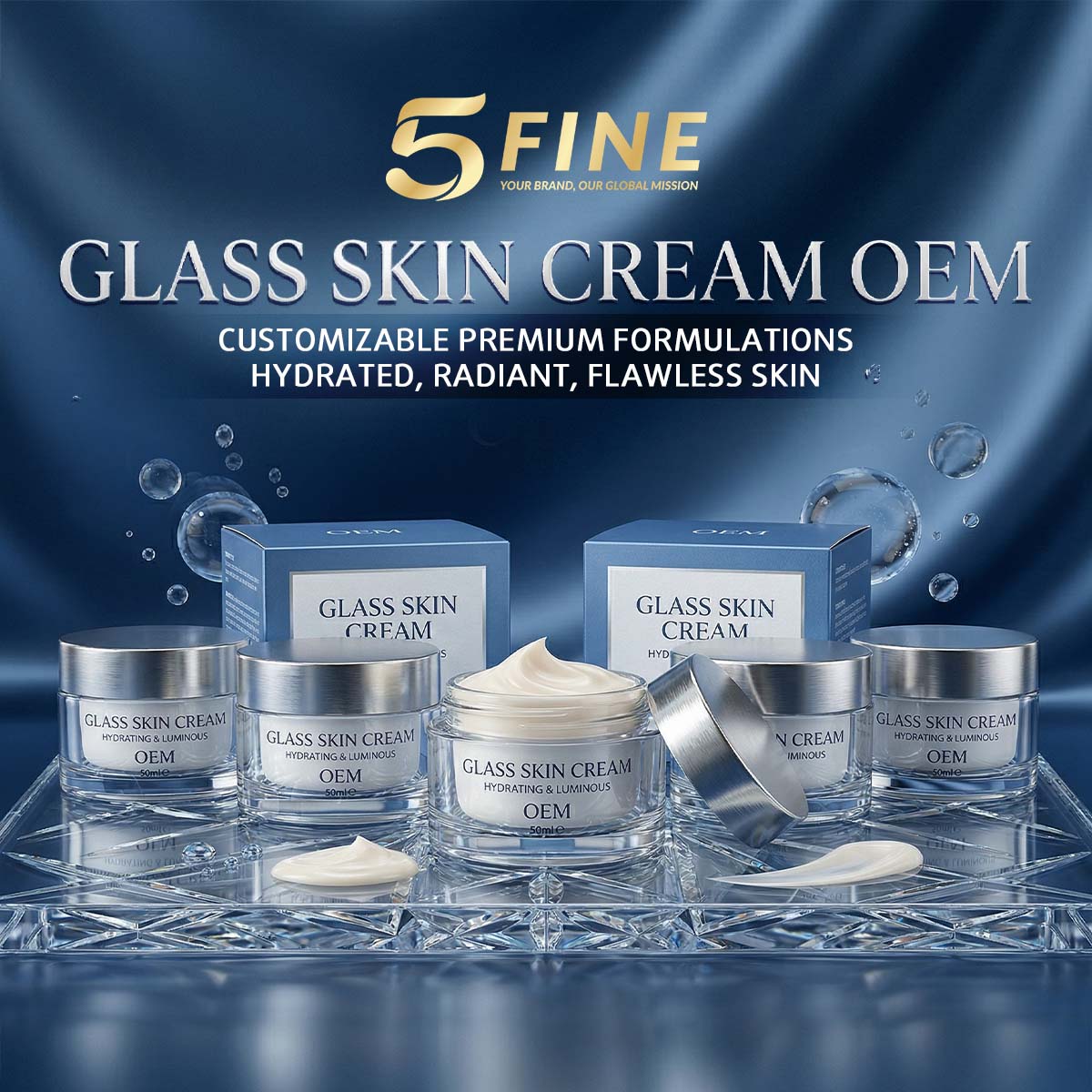
A well-formulated Glass Skin Cream helps:
- retain hydration
- smooth the skin
- enhance natural glow
In simple terms, cream is the step that determines:
whether the skin looks “glass-like” or not
3. Key Ingredients Behind the Glow
An effective formula typically combines:
Multi-layer hydration
- Hyaluronic Acid
- Glycerin
Skin barrier repair
- Ceramides
- Panthenol
Glow & elasticity enhancement
- Peptides
- Collagen
The key is not the number of ingredients,
but how they work together to create a visible effect.
4. Texture Defines Experience
A Glass Skin Cream should not feel:
- too heavy
- too greasy
Instead, it should be:
- lightweight
- fast-absorbing
- softly luminous on the skin
The ideal sensation:
hydrated but not heavy — glowing but not oily
5. Packaging & Brand Perception
This product category is highly visual,
so packaging plays a major role.
Popular directions include:
- white / nude → clean and minimal
- pink / purple → trendy K-beauty
- black / gold → premium positioning
Packaging is not just design —
it directly impacts:
perceived product value
6. Why Glass Skin Cream Is a Strong Seller
- easy for customers to understand
- visible results
- suitable for multiple skin types
- daily-use product
This makes it:
easy to sell, easy to scale, and ideal for brand building
7. How OEM Enables Faster Market Entry
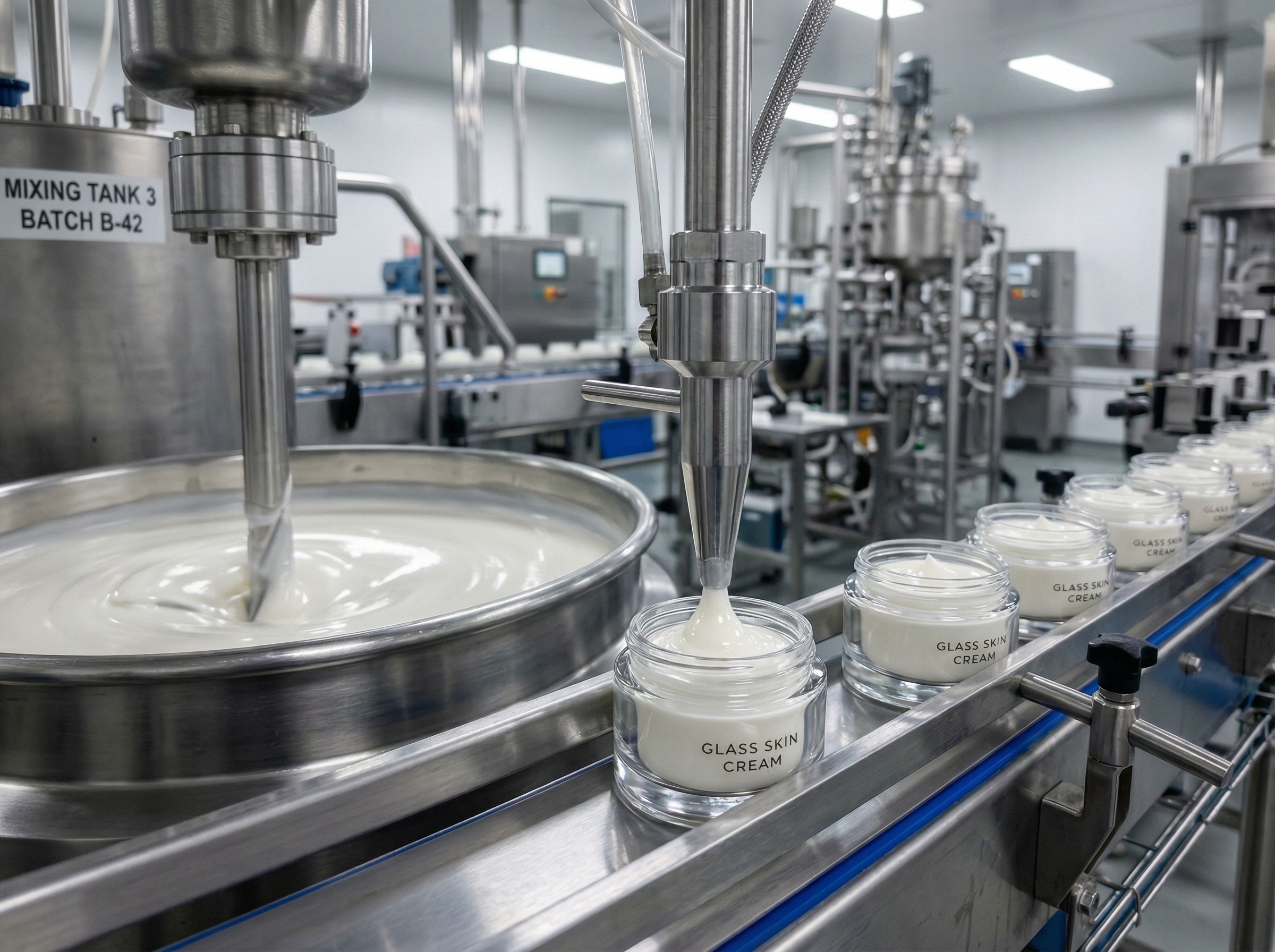
With a global OEM model like 5FINE:
- ready-to-use base formulas
- fast customization
- optimized cost and production time
This allows brands to:
- test quickly
- launch faster
- scale efficiently
