Cosmetic Sampling With an OEM: What to Expect
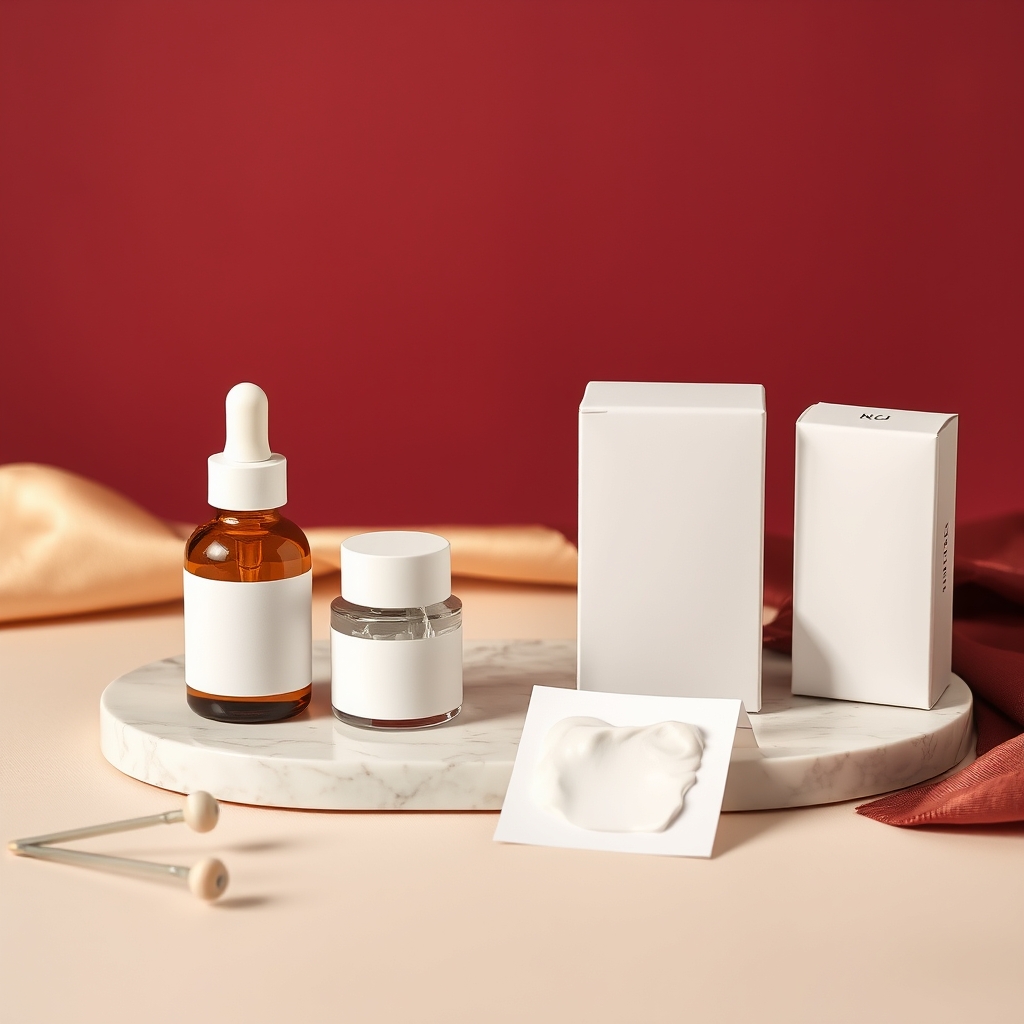
Sampling is where an idea becomes a real product, and it is also where many first-time brand owners lose time and budget. A clear process makes the difference between two tidy rounds and six frustrating ones. Here is how sampling typically works with an OEM/ODM partner, and how to run it well. Treat it as a short project with an owner, a checklist and a clear definition of "approved", rather than an open-ended conversation. That mindset alone often saves weeks of drift and many avoidable emails.
Start with a brief, not a mood board
Manufacturers can match a texture or scent quickly when the brief is specific. Include the product type, target skin or hair type, preferred texture (gel, lotion, rich cream), fragrance direction, key actives you want to feature, and the market you plan to sell in. A reference product you like is helpful, as long as you explain what you like about it: the spreadability, the finish, the scent, or the claim.
If you want a deeper walkthrough of briefs, see our guides on briefing a manufacturer.
Ready-made base or custom formula?
With an ODM route you usually start from proven bases and adjust them: texture, scent, colour, active level within safe limits. This tends to need fewer rounds because the base already passed stability work. A fully custom formula is possible, but it generally needs more development steps and testing, and the schedule depends on the product and packaging.
- Proven base + tweaks: best for first launches and tight budgets.
- Custom development: best when a signature texture or a unique active system is the heart of the brand.
What a good sample round looks like
A typical cycle has four parts: the manufacturer prepares a trial batch in the lab, you evaluate it, you send consolidated feedback, and the lab adjusts. Evaluating means more than smelling it once. Try the sample for several days on the intended skin type, compare it against your reference, and note how it feels after ten minutes, not just at first touch.
Ask your partner what has been tested on the lab sample and what is still pending, because lab samples are not the same as a production-scale batch.
How to write feedback that saves rounds
Vague comments such as "make it nicer" force the lab to guess. Use specific, comparable language and group your comments in one message.
- Describe the issue ("too sticky after two minutes").
- Say what you would prefer ("lighter, faster absorbing").
- Rank priorities: must-fix, nice-to-have, and leave-as-is.
- Change one or two variables at a time so everyone knows what caused what.
Stakeholders who all give separate feedback to the factory are a common cause of extra rounds. Choose one decision-maker.
Packaging compatibility and stability
A formula that looks perfect in a lab jar can behave differently in a pump bottle, a tube or a sachet. Ask for compatibility checks with your actual packaging, and for stability testing appropriate to the product. Typically these checks take their own time, so plan them before artwork is final rather than after.
Costs and ownership of the sample stage
Terms vary by manufacturer and product: some samples are provided as part of the quotation process, others are charged or credited back on order. Confirm in writing what is included, how many revision rounds are covered, and what happens to the approved reference sample. Keep a sealed approved reference, because it is your yardstick for production quality.
5FINE coordinates sampling between your team and certified partner factories in Thailand, Korea, Japan and Dubai, helping you turn feedback into a clear brief for each round. If you are preparing your first sample request, contact us or explore our beauty and cosmetics range; samples, terms and timing are confirmed in your quotation.
How many sample rounds are normal?
It depends on the product and how specific your brief is. Proven bases often need fewer rounds than fully custom formulas, and consolidated feedback usually reduces the count.
Can I change the formula after approving a sample?
Changes after approval can require re-testing and may affect packaging compatibility and documents, so lock the approved sample before moving to artwork and production.
Should I test the sample in my packaging?
Yes. Ask your manufacturer to check compatibility with the real container, because texture, pump performance and stability can change by packaging type.
This article provides general industry information for planning purposes only. It is not a quotation, offer, guarantee or legal/regulatory advice from 5FINE. Actual MOQs, pricing, timelines and regulatory requirements depend on the product and market, and are confirmed only in a formal quotation.