Scalp Care Is the New Skincare: Private Label Guide
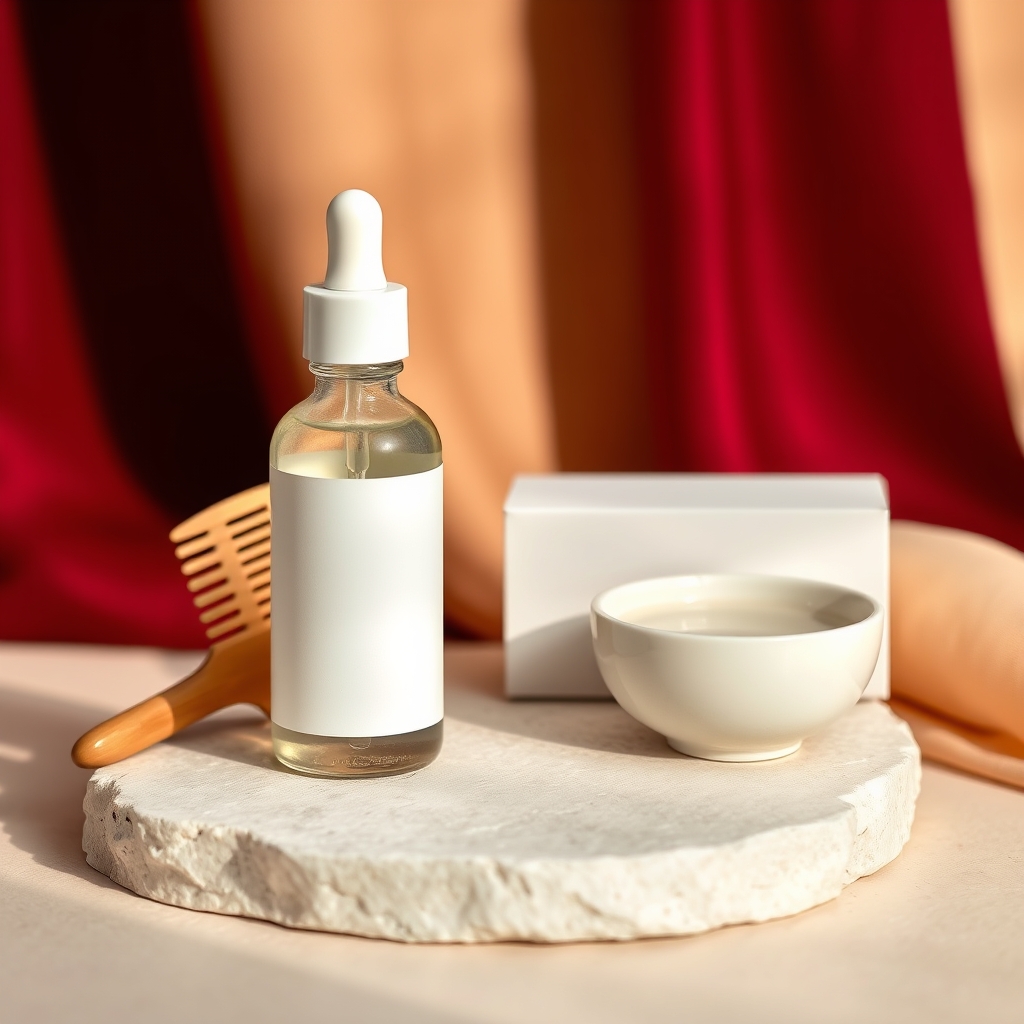
Hair care is borrowing the playbook of skincare. Consumers who already follow a multi-step face routine now ask what is happening on their scalp, and the market is responding with serums, exfoliating treatments, tonics and pre-wash products. For brand owners, this is a chance to enter hair care with a focused range instead of a crowded shampoo line.
Why scalp care is gaining attention
The idea is simple: the scalp is skin, and hair looks better when the skin it grows from is well cared for. Social media content on scalp routines, together with greater awareness of dryness, oiliness, flaking and build-up from styling products, has pushed the category into the mainstream, especially among consumers in Southeast Asia, the Gulf and East Asia.
Keep in mind that cosmetics can support scalp comfort and cleanliness, but should not promise to treat hair loss or medical conditions.
Product formats brands are building
- Scalp serums and tonics: lightweight leave-on formulas with soothing or balancing ingredients.
- Pre-shampoo scrubs and oils: gentle physical or mild chemical exfoliation to lift build-up.
- Scalp-focused shampoos: sulphate-free or mild surfactant systems, often positioned for dry, oily or sensitive scalps.
- Masks and conditioners: kept light to avoid weighing down roots.
A three-step system (cleanse, treat, nourish) is easier to explain than ten SKUs.
Ingredient themes to discuss with your manufacturer
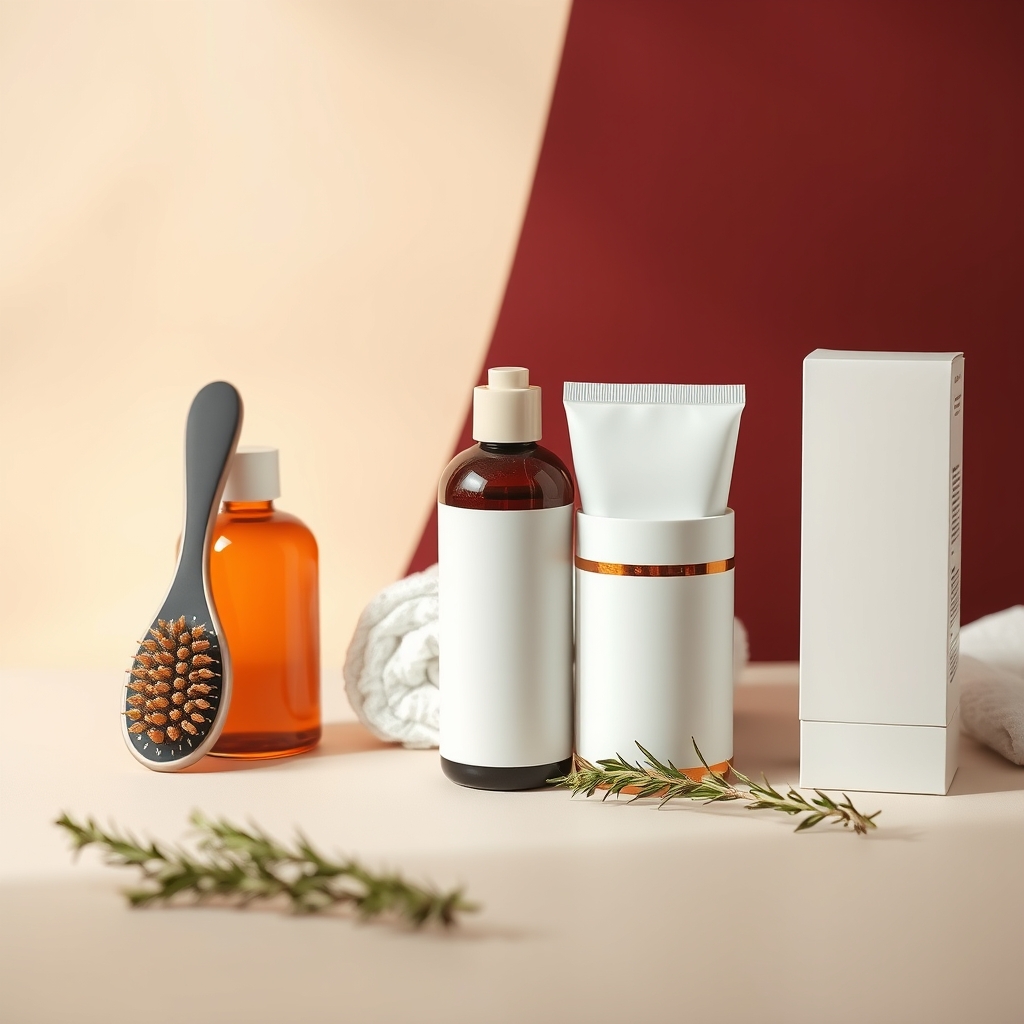
Popular themes include peptides, panthenol, niacinamide, centella, green tea, rosemary extract, rice-derived ingredients, amino-acid cleansers and mild exfoliating acids. Each has its own compatibility, fragrance and stability considerations, and not every ingredient is accepted in every market at every level. Ask your partner which ingredients are typically supported in your target country, and confirm the final list in your quotation and formula documents.
Choosing a hero product
Resist the temptation to launch a full range at once. A single scalp serum with a clear story gives you something to photograph, sample and explain. Once repeat purchase appears, add a shampoo and a mask in the same design language. Our guide on line architecture explains how a hero product supports a wider range.
Packaging matters more than you think
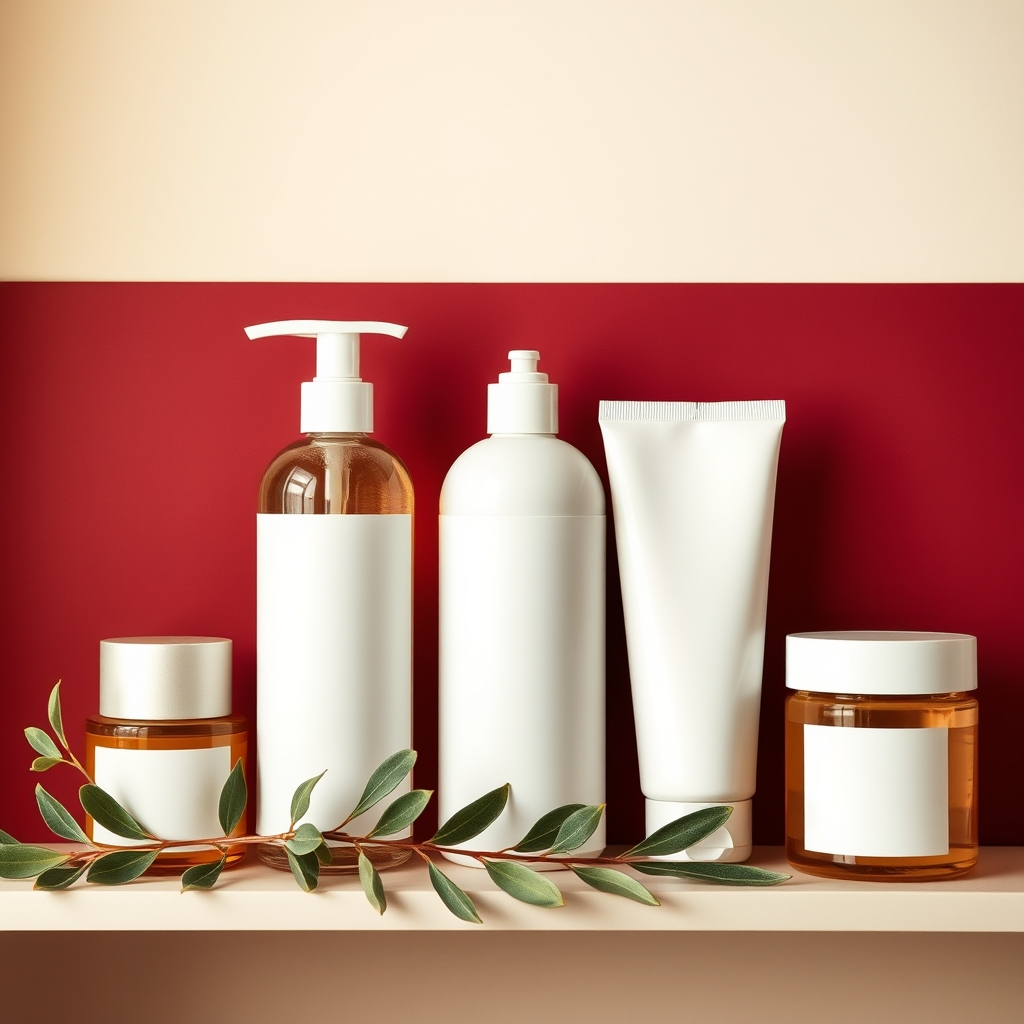
Scalp serums need precise application. Nozzle droppers, applicator tips and slim bottles help consumers part the hair and place product directly on the scalp. Pumps work for tonics and shampoos. Test the applicator with your final formula, since viscosity changes how a dropper or tip performs.
Opaque or UV-protective packaging may be advisable for formulas with light-sensitive ingredients.
Claims and labelling to plan early
Keep claims cosmetic: cleansing, soothing feel, reducing the look of flakes or oiliness, adding shine. Avoid words that imply treating hair loss, dandruff diseases or medical outcomes. Rules differ by country, so confirm wording with the relevant authority or your importer before you print.
Positioning and audience
Decide who you are talking to before you choose ingredients. A brand for humid-climate consumers who battle oiliness will emphasise lightweight textures and refreshing sensory cues. A brand for dry, air-conditioned environments will lean on comfort and hydration. In the Gulf, many consumers also care about halal-friendly formulation and fragrance choices that suit frequent washing and covering of hair.
Write a one-sentence promise your customer can repeat, such as "a weekly reset for a comfortable scalp". Then let the product, packaging and content all support that sentence. Brands that try to serve every scalp type at once tend to blur their message.
Finally, plan education content early. Scalp care is a new habit for many buyers, so short how-to videos, usage cards inside the box and simple routine diagrams help reduce misuse and returns.
5FINE works with certified partner factories to develop shampoos, tonics, serums and masks under your brand, and can help you shape a compact scalp care range. Tell us about your target market or browse the beauty and cosmetics hub to see what is possible.
Is scalp care a fad?
It is part of a broader shift toward targeted, routine-based hair care. A focused range with clear benefits and honest claims is generally more resilient than a trend-only launch.
Can I sell a scalp serum as hair-growth treatment?
Generally no. Cosmetics should not claim to treat hair loss or medical conditions. Describe the cosmetic benefit and confirm wording with the local authority.
What should I launch first?
Many brands start with one scalp serum or pre-wash treatment, then add a shampoo and mask once they understand customer feedback.
This article provides general industry information for planning purposes only. It is not a quotation, offer, guarantee or legal/regulatory advice from 5FINE. Actual MOQs, pricing, timelines and regulatory requirements depend on the product and market, and are confirmed only in a formal quotation.