Skincare Line Architecture: Hero Product & Price Tiers
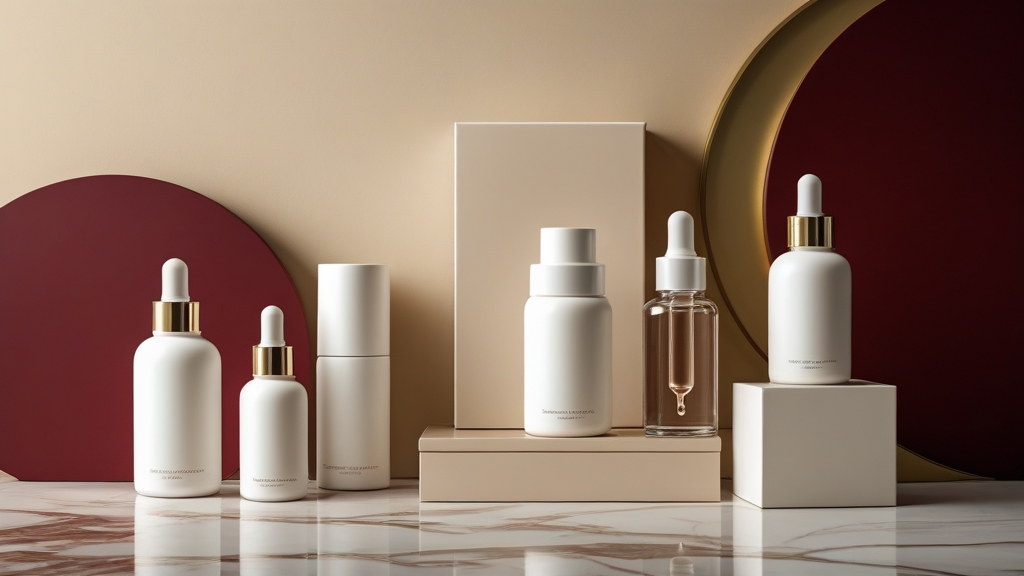
Many new brands launch with too many products and no clear story. A well-planned line architecture does the opposite: it makes the range easy to understand, simpler to produce and better at bringing customers back. Here is a practical way to think about it.
Start with one hero product
The hero is the product that introduces your brand. It should address one clear need for one clear customer, for example a lightweight moisturiser for humid climates or a sunscreen that wears well under makeup. Make it excellent first; the rest of the line can follow.
Add supporting products with a role
Every extra item should have a job. Useful roles include:
- Entry item: a lower-priced product that lets new customers try the brand.
- Hero: the product you want to be known for.
- Companion: something used alongside the hero, such as a cleanser or serum.
- Premium item: a more elevated product for loyal customers.
- Set or refill: a bundle or refill that raises value per order.
Think in routines, not isolated products
Customers rarely buy one product forever; they buy a routine. If your cleanser, serum and cream feel connected in texture, scent and packaging, customers understand what comes next. This is what drives repeat purchase and higher lifetime value.
Use price tiers deliberately
Pricing should reflect positioning, ingredients, packaging and your channel costs. A simple approach is three tiers: an accessible entry, a core range and a premium line. Avoid placing items so close in price that customers cannot see the difference. Your own price decisions should be based on your landing cost, margin target and retailer or platform fees, which your quotation and sales model will clarify.
Keep formulas and packaging coordinated
A coherent range also helps production. Shared bottle sizes, closures and carton formats can simplify sourcing and reduce complexity. Using proven base formulas with tailored actives or fragrance is a common way to build a range without developing everything from scratch.
Plan the launch in phases
- Phase one: hero plus one or two companions.
- Phase two: expand with a premium item or a set once you see what customers reorder.
- Phase three: refills, seasonal editions and new categories.
Launching in phases protects cash flow and gives you real customer feedback before you commit to more products.
Listen to repeat purchase data
After launch, watch which products people buy again. The reorder pattern shows where your real hero is, which may differ from your original plan. Adjust your next production run based on evidence.
Common mistakes
- Launching many unrelated products at once.
- Pricing without checking channel fees.
- Using different packaging styles that make the range look disconnected.
- Ignoring how customers will use the products together.
5FINE helps brand owners shape ranges and develop them with certified partner factories. Share your concept on our contact page or explore beauty and cosmetics categories.
How many products should a new skincare brand launch with?
There is no fixed number. Many brands begin with a hero product and one or two companions, then expand once they see what customers reorder.
What is a hero product?
It is the product that introduces your brand and addresses one clear need for one clear customer. Make it excellent before expanding.
How do I set price tiers?
Base them on your positioning, landing cost, margin target and channel fees, and keep tiers distinct enough that customers see the difference.
This article provides general industry information for planning purposes only. It is not a quotation, offer, guarantee or legal/regulatory advice from 5FINE. Actual MOQs, pricing, timelines and regulatory requirements depend on the product and market, and are confirmed only in a formal quotation.