Body Care Goes Skincare: Private Label Guide to Body Serums

The skinification of body care
Skincare habits are moving below the neck. Brands are borrowing facial ideas such as serums, gentle acids, ceramides and peptides for the body, and shoppers are building body routines with several steps instead of one lotion. For brand owners this opens a category that feels premium but is easy to understand.
The trend is useful for new brands because body products are used in larger quantities, which supports repeat purchase, and they photograph well for social content.
Formats worth considering
A focused range of three or four products is usually easier to launch than a wide one.
- Body serum or lightweight body lotion: fast-absorbing textures with humectants and barrier-supporting ingredients.
- Rich body cream or butter: for dry skin and colder seasons or air-conditioned climates.
- Exfoliating wash or scrub: mild exfoliation with gentle acids or physical particles chosen carefully for sensitive skin.
- Body oil or dry oil spray: a sensorial finishing step that works well for gifting.
- Hand and foot care: small formats that make good entry products.
Match the formula to climate and market
A body lotion for humid Southeast Asian cities needs a different feel from one for dry Gulf winters or European central heating. Light gels and milky lotions often suit warm, humid markets, while richer creams suit dry ones. Tell your manufacturer where the product will be sold so texture and preservation can be discussed with the climate in mind.
Fragrance deserves particular thought: body products are applied over large areas, so an intense scent can overwhelm. Discuss strength and market preferences early.
Packaging choices for body products
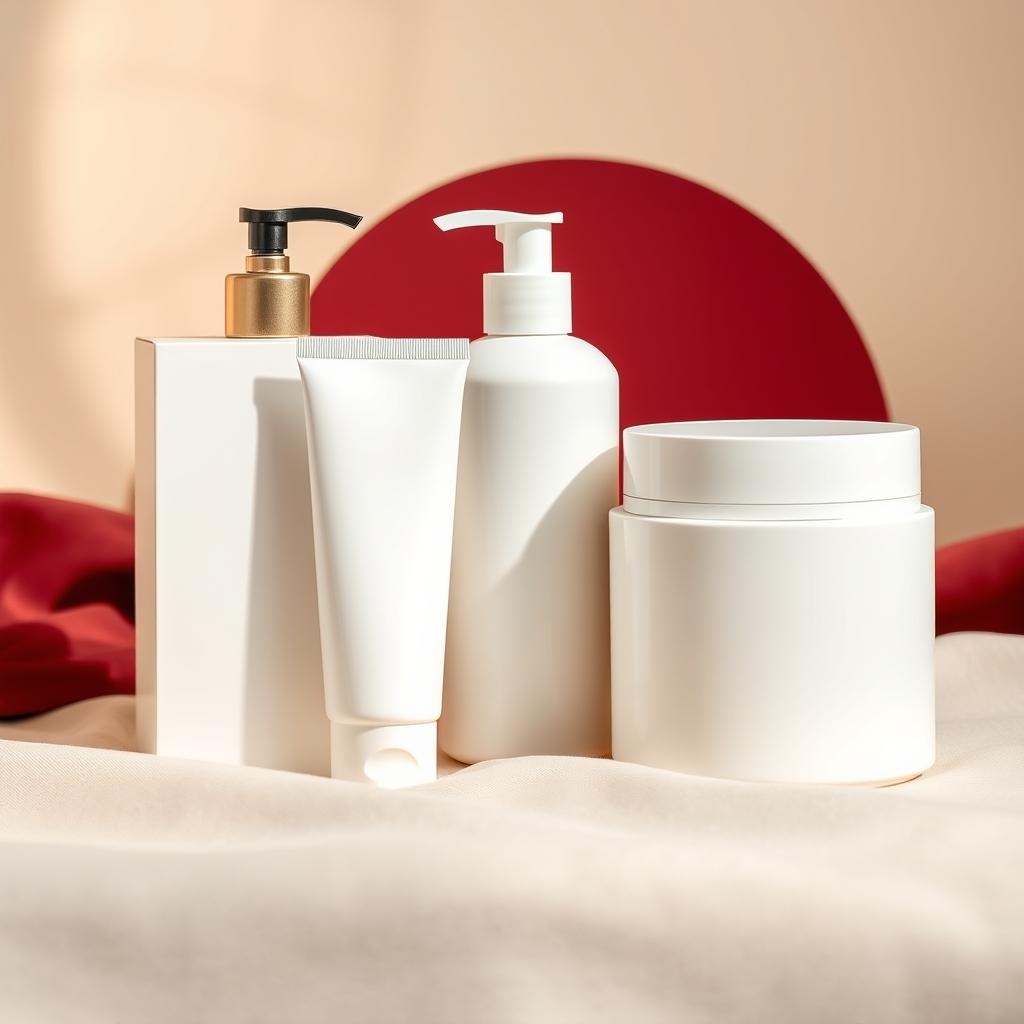
Larger volumes make packaging cost and weight more visible. Pump bottles keep dosing tidy, tubes suit thicker creams, and jars suit butters. Refill pouches can lower the packaging footprint for repeat buyers, though compatibility with the formula should be checked.
Decoration is another lever: a simple label on a well-chosen bottle often looks better and costs less than elaborate printing. Minimums for custom packaging depend on the item and decoration and are confirmed in your quotation.
Claims and compliance for body products
Body care is generally regulated as cosmetics, so claims should stay cosmetic: moisturising, softening, improving the look and feel of skin. Avoid medical claims such as treating conditions. If you plan terms like dermatologist-tested or hypoallergenic, you should hold substantiation and check market rules with the authority or your importer.
Ingredient lists need to follow the naming and labelling conventions of the markets you sell in.
Building a range customers repeat
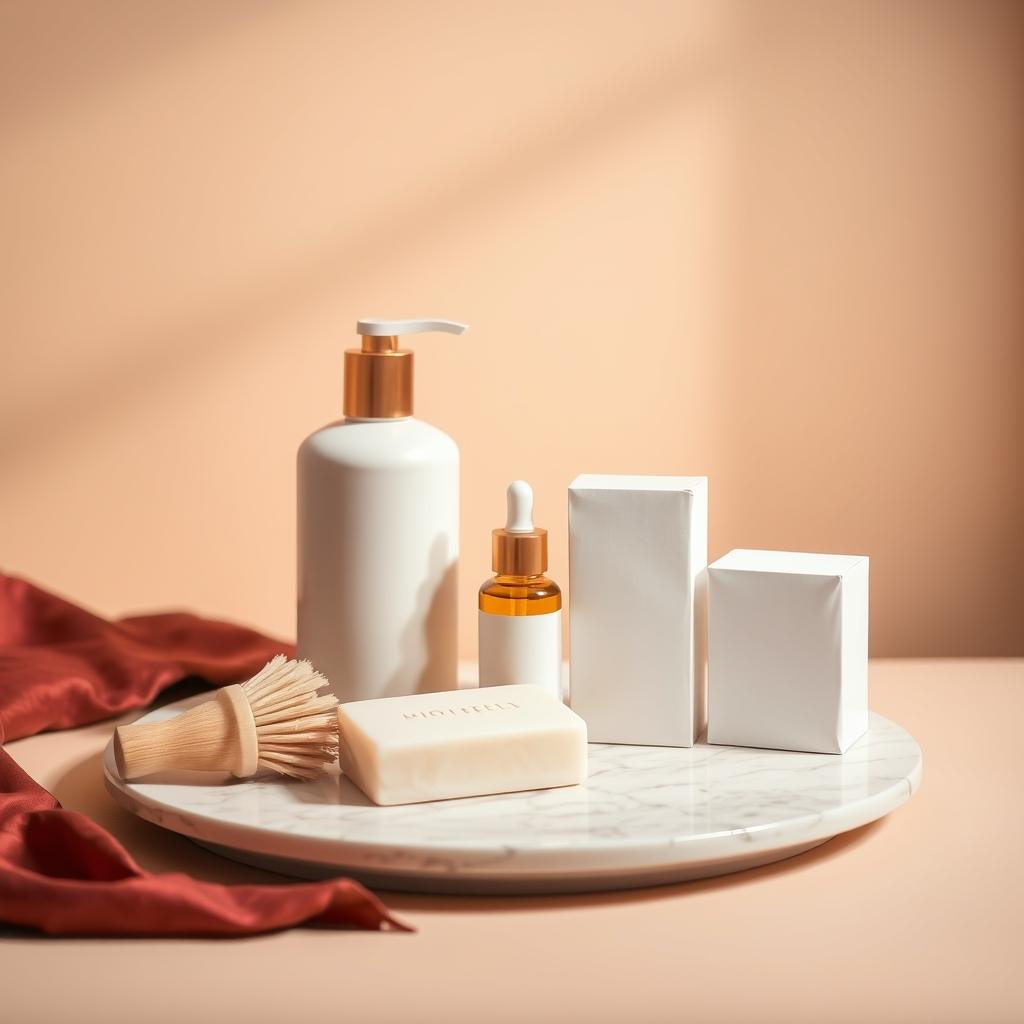
Think in routines, not single products. A wash, a lotion and an oil that share a fragrance create a natural bundle, and refill options encourage repeat purchase. Start with a hero product, check how customers respond, and expand using what you learn.
How 5FINE can help
5FINE helps brand owners choose body care formulas, fragrance and packaging with certified partner factories, and plans documentation for your target markets. Details depend on the product and packaging and are confirmed in your quotation. Get in touch or visit our beauty and cosmetics hub.
Is a body serum different from a body lotion?
Generally a serum is lighter and more concentrated in texture, while a lotion is creamier. The distinction is mostly about feel and positioning rather than a strict definition.
How many body products should a new brand launch?
Many brands begin with three or four products that share a fragrance, then expand after seeing which items customers reorder.
Can body products make skin-treatment claims?
Cosmetic claims about moisturising or softening are typical, while medical claims are not appropriate. Check wording with the authority or your importer.
This article provides general industry information for planning purposes only. It is not a quotation, offer, guarantee or legal/regulatory advice from 5FINE. Actual MOQs, pricing, timelines and regulatory requirements depend on the product and market, and are confirmed only in a formal quotation.