Brightening Serum Private Label: Actives Buyers Ask For
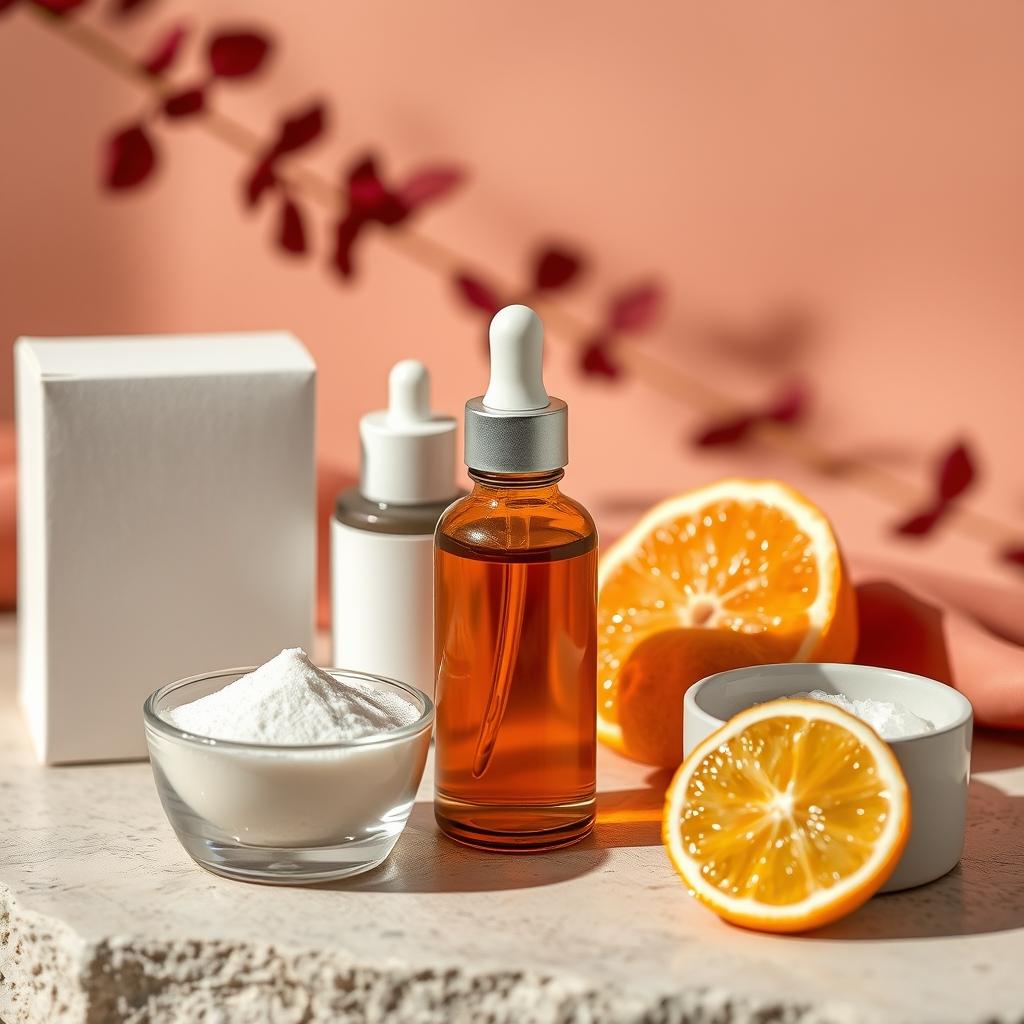
Brightening serums remain one of the most requested categories when new brand owners approach a manufacturer. Buyers in Southeast Asia and the Gulf commonly want products aimed at uneven-looking tone, dullness and the marks left after sun exposure. This guide explains how to think about the main actives, what affects stability, and how to brief a partner factory.
The three actives brand owners ask about most
Most briefs mention one or more of these ingredients:
- Niacinamide – a versatile, well-known ingredient that is generally easy to formulate and tolerated by many skin types.
- Vitamin C (and its derivatives) – popular for a radiant look, but the pure form is sensitive to air, light and pH, so formula and packaging must be planned together.
- Tranexamic acid – increasingly requested in Asian markets for tone-focused serums; usually combined with other actives.
Other frequent additions include alpha arbutin, licorice extract and botanical complexes. A good partner factory will suggest combinations that work together rather than stacking every trend ingredient in one bottle.
Choose a formula direction before you choose a name
Decide whether you want a gentle daily serum, a more intensive "treatment" serum, or a lightweight gel-cream hybrid. This choice drives texture, pH, preservative system and price positioning. Many brands start with one hero serum and add a cleanser, moisturiser and sunscreen around it so customers can build a routine.
If you do not have your own formula, ready-made (ODM) bases let you test the concept first and customise fragrance-free or lightly scented versions, texture and colour. Starting from a proven base often reduces the number of sampling rounds.
Stability and testing: what to ask for
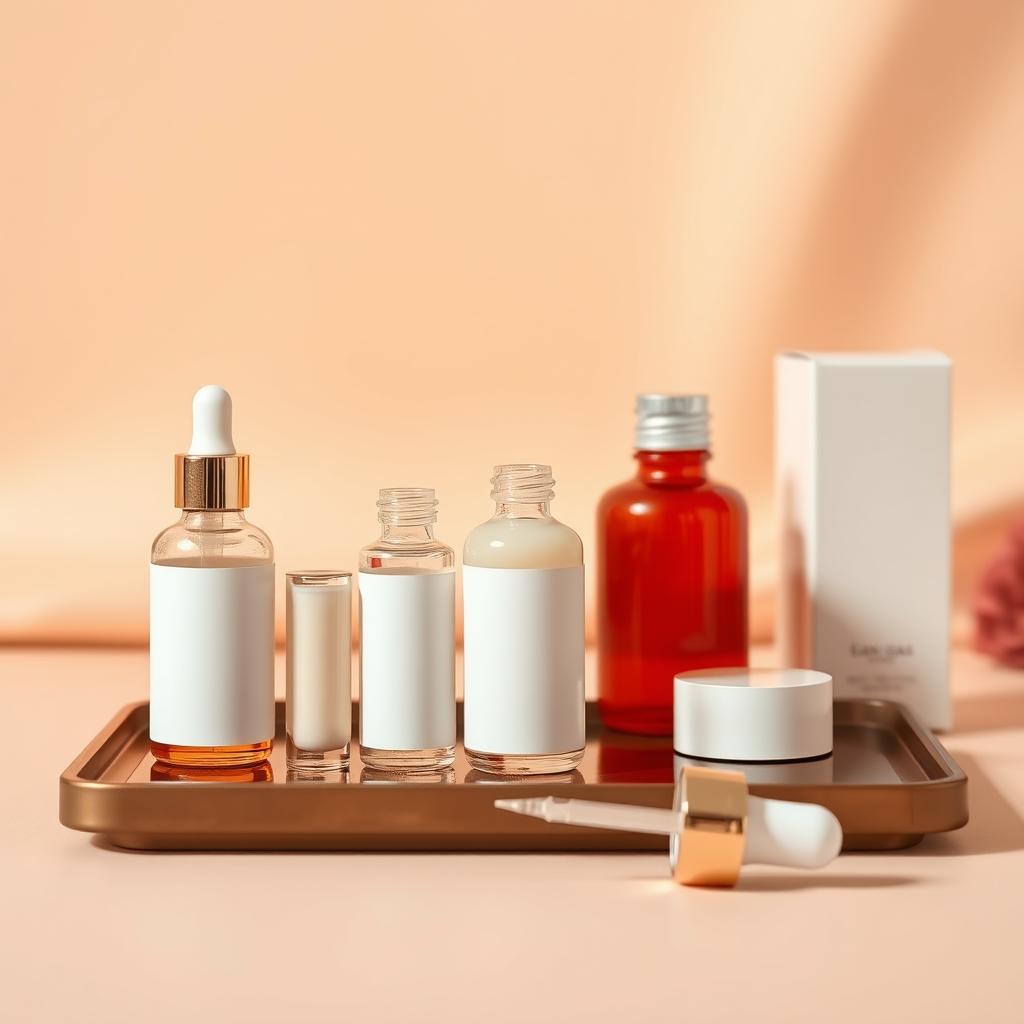
Brightening actives are the ingredients most likely to change colour or lose performance over time. Ask your partner factory what stability and compatibility testing is typically run for your formula and packaging, and review the results before you commit to a large batch. Typical areas include appearance, pH, viscosity, microbiological safety and behaviour in warm, humid conditions, which matter for tropical and Gulf markets.
Request samples in the final intended packaging, not only in a lab jar, because the container affects how the formula ages.
Packaging that protects the active
Packaging is part of the formula. Airless pumps and opaque or amber containers help limit exposure to air and light, while a standard dropper may suit more stable formulas. Think about how the user will apply the product, how much will be wasted, and how the pack looks in a short video, since much of today's beauty discovery happens on social platforms.
Discuss carton, label space and any required warnings early, so the artwork matches the final pack dimensions.
Claims and compliance: keep it factual
Cosmetic claims are generally limited to appearance-based statements such as "helps skin look brighter" or "supports a more even-looking tone". Avoid medical language like treating, curing or removing pigmentation disorders. Rules differ by market, so confirm wording with the authority or your importer in each country, for example Thai FDA, Philippine FDA, BPOM in Indonesia or the relevant UAE and Saudi bodies. Your partner factory can share ingredient documents to support registration.
How 5FINE can help
5FINE develops brightening and tone-care serums with certified partner factories in Thailand, Korea and Japan, and coordinates samples, packaging and export documents. Minimums start low for proven formulas and are confirmed in your quotation. Contact us with your target market and active preferences, or explore our beauty and cosmetics range.
Which active is best for a first brightening serum?
There is no single best choice. Niacinamide is often the easiest starting point, while vitamin C and tranexamic acid need more attention to stability and positioning.
Can I make medical claims about pigmentation?
Generally no. Cosmetics are usually limited to appearance claims, and rules vary by country, so confirm wording with the relevant authority or importer.
Does packaging really matter for serums?
Yes. Light and air exposure can affect sensitive actives, so airless or opaque packaging is often recommended and should be tested with the final formula.
This article provides general industry information for planning purposes only. It is not a quotation, offer, guarantee or legal/regulatory advice from 5FINE. Actual MOQs, pricing, timelines and regulatory requirements depend on the product and market, and are confirmed only in a formal quotation.