How to Evaluate OEM Samples: A Checklist for Brand Owners
Why sample approval matters more than the quote
A sample is the first physical proof of what your product will be. Once it is approved, the formula, colour, fragrance and packaging fit become the reference for bulk production. Mistakes found after approval are slow and expensive to fix, so it is worth spending real time at this stage.
Many brand owners judge a sample in thirty seconds: they like the smell, they like the feel, they say yes. A better approach is to treat the sample as a small test programme with clear criteria written down before the parcel arrives.
Set your criteria before the sample arrives
Write a one-page brief that the manufacturer and your team share. It should describe the target texture, finish on skin, fragrance direction, colour, and the way the product will be used. If you have a reference product you admire, name it and explain which attributes you want to match and which you want to differ.
Agree who has the final say. Samples that circulate among five opinionated people with no decision-maker tend to bounce through endless revisions.
- Sensory targets: thickness, spreadability, absorption, stickiness, after-feel.
- Fragrance: intensity, how it changes after a few minutes on skin, and whether it suits your target market.
- Performance: what the product should visibly or functionally do, described in cosmetic terms, not medical ones.
- Packaging fit: how the formula flows through the pump, dropper or tube you plan to use.
Evaluate texture, scent and appearance properly
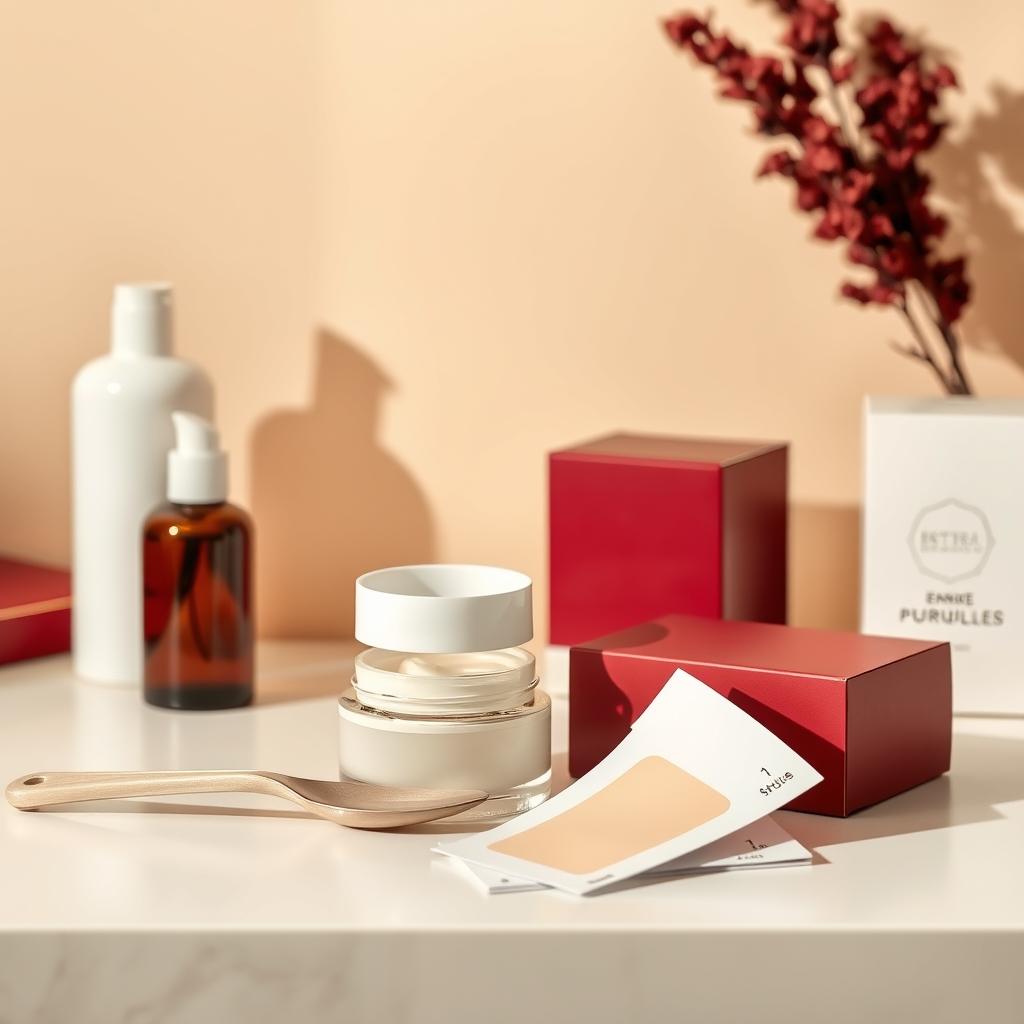
Test on clean skin, in daylight, at room temperature, and repeat on a second day. Try the sample alone and then in your real routine, for example under sunscreen or makeup. Compare it side by side with your reference product rather than relying on memory.
Check the physical appearance too: colour consistency, any separation or graininess, bubbles, and whether the product looks the same from top to bottom of the container. For fragrance, smell it fresh, after a few minutes on skin, and again after a day, because top notes fade and the base becomes more obvious.
Look beyond the first impression: stability and compatibility
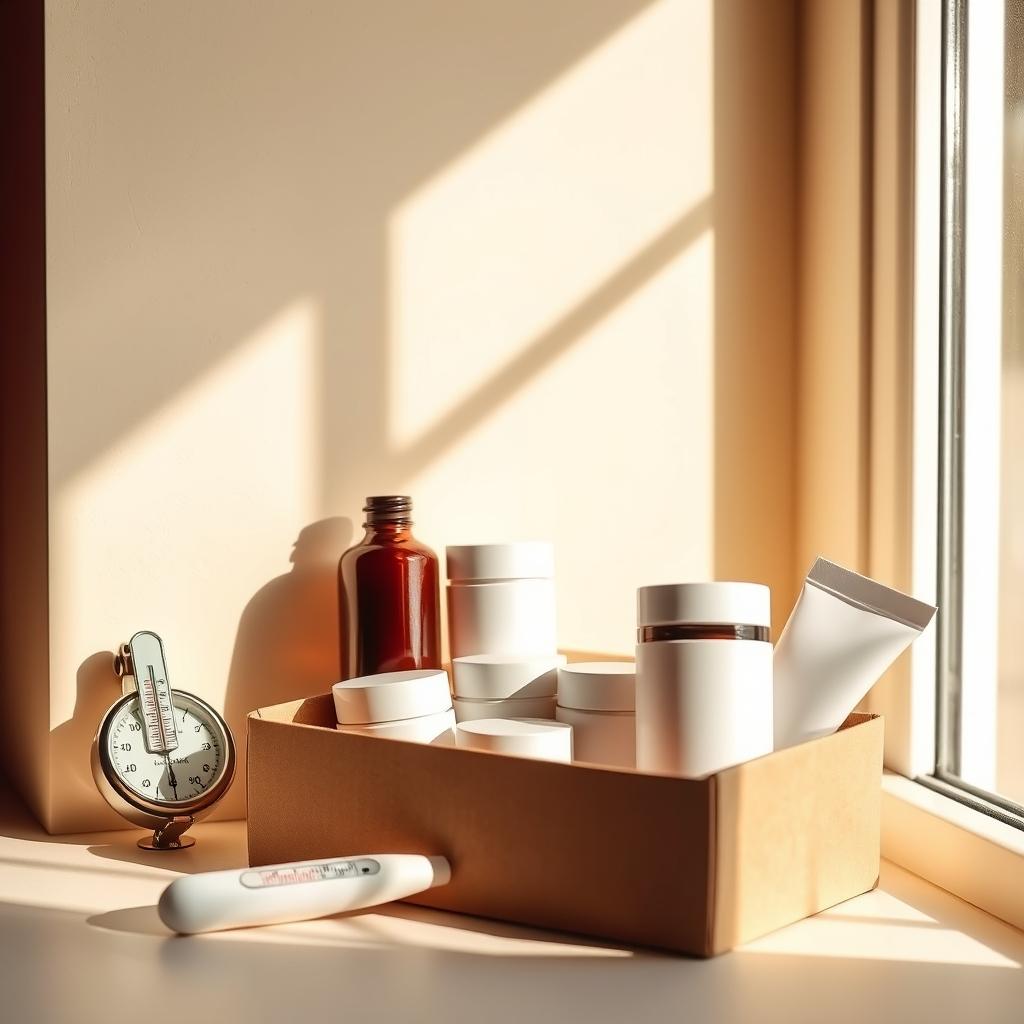
A lovely sample can still fail over time. Ask your manufacturer which stability and compatibility checks are planned for the final formula and packaging, and what the typical approach is for your product type. Typically this involves observing samples under different temperatures and over time, and checking that the formula behaves well inside the actual container.
You can run simple checks yourself: keep a sealed sample at room temperature, one somewhere cooler and one somewhere warm, and note any change in smell, colour or texture. These home checks do not replace formal testing, but they reveal obvious problems early.
- Does the product separate, darken or change smell?
- Does the pump or dropper dose consistently?
- Does the label or print survive handling and moisture?
Check the paperwork alongside the product
A sample is only useful if the product can legally be sold in your market. Request the ingredient list in standard naming, and confirm with your importer or the relevant authority what is needed for notification or registration in your target country. Requirements differ by market and product type, so rely on the authority or your importer rather than assumptions.
Ask what supporting documents come with the project, for example specifications and certificates of the partner factory, and keep them filed together with the approved sample record.
Document the approval and lock the reference
When you are satisfied, approve in writing and keep a retained sample, ideally two. Record the batch of the sample, the date, and any agreed tolerances for colour or fragrance. This record is your reference if a question ever arises about bulk production.
If changes are needed, send one consolidated list rather than piecemeal comments, and change as few variables per round as you can. That makes it clear which adjustment caused which result.
How 5FINE can help
5FINE coordinates sampling with certified partner factories, helps you write a clear sample brief, and keeps feedback rounds organised so approval stays on track. Timelines and sample terms depend on the product and packaging and are confirmed in your quotation. Contact us to discuss your project, or explore our beauty and cosmetics hub.
How many sample rounds are normal?
It depends on how close the starting formula is to your brief. Proven ready formulas often need fewer adjustments than fully custom ones, and a clear brief usually reduces the number of rounds.
Should I test samples on other people?
Yes, informal feedback from people in your target market is useful, but keep it structured and avoid making any medical claims based on it. A formal assessment is a separate matter to discuss with your manufacturer.
What should I keep after approving a sample?
Keep a retained sample, the written approval, the ingredient list and any specifications. This gives you a reference for bulk production and future reorders.
This article provides general industry information for planning purposes only. It is not a quotation, offer, guarantee or legal/regulatory advice from 5FINE. Actual MOQs, pricing, timelines and regulatory requirements depend on the product and market, and are confirmed only in a formal quotation.