Functional Mushroom & Adaptogen Supplements: Brand Guide
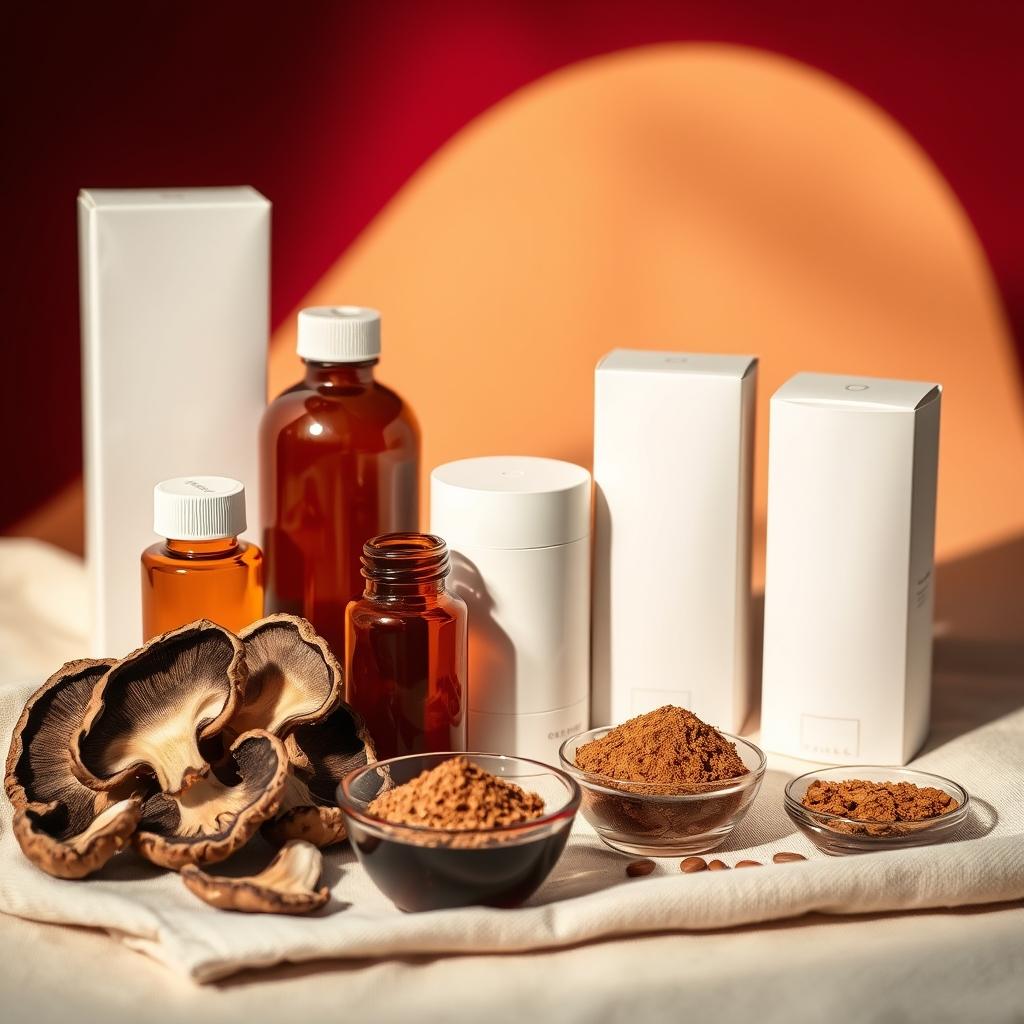
Why mushrooms and adaptogens attract brands
Consumers increasingly look for daily wellness routines rather than single-purpose products. Functional mushroom blends and adaptogen herbs fit that mindset, and they appear in coffees, teas, powders, capsules and gummies. They also give brands a story rooted in traditional botanical use, which resonates in Asia and the Gulf as well as in Western markets.
As with all supplements, the opportunity comes with responsibility: the category is closely watched by regulators, so ingredient choice and wording matter from the very first brief.
Common ingredients and what to ask about
Ingredient names vary widely, and quality depends on the part of the plant used and the extraction method. When you review a proposed formula, ask about these points:
- Which part is used (fruiting body, mycelium, root, leaf) and whether it is an extract or a whole powder.
- Whether the extract is standardised, and to what marker.
- The origin of raw materials and available certificates of analysis.
- Allergen information and any ingredient that is restricted or requires notification in your target market.
Not every botanical is permitted as a supplement ingredient in every country, so check the ingredient list against your market before you commit to a concept.
Choosing a product format
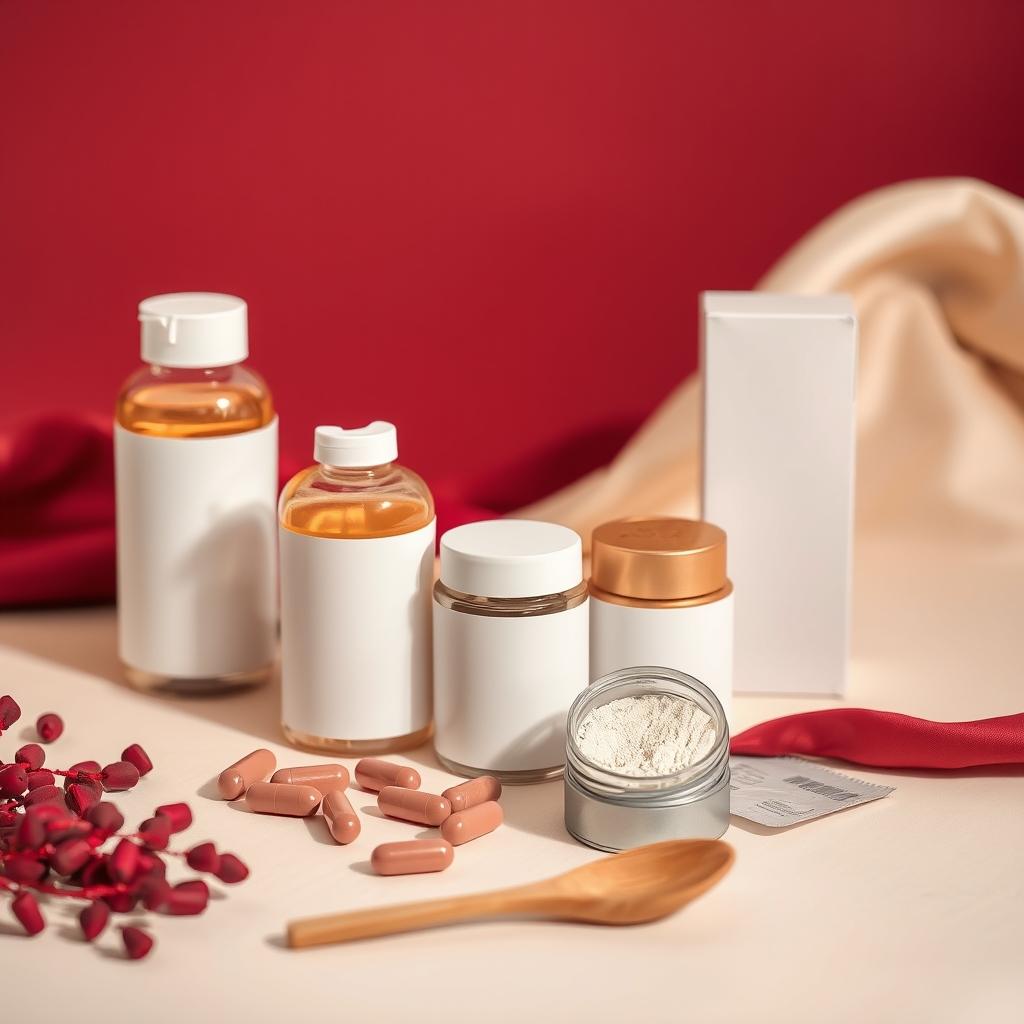
Format shapes both the customer experience and the manufacturing route. Capsules suit concentrated extracts; stick packs and sachets suit powders and travel-friendly routines; functional coffee and tea suit a daily ritual; gummies suit consumers who dislike swallowing capsules, though flavour masking for earthy ingredients needs careful development.
Powder and drink formats often need attention to taste, solubility and moisture protection. Ask for sample batches and test them the way your customer will use them.
Claims and labelling cautions
Supplements must not be marketed as treating or preventing disease. Wording about stress, sleep, immunity or energy is regulated differently in each country, and what is acceptable in one place may be restricted in another. Generally, you should rely on wording already accepted by the authority in your market and avoid before-and-after or cure-style messages.
Packaging typically needs an ingredient list, serving size, usage directions, warnings and batch details. Your importer or the local authority can confirm exactly what is required, and 5FINE can help coordinate the documents your market asks for.
Quality and safety basics
Choose a partner factory working to recognised standards such as GMP, and ask what testing is performed on raw materials and finished batches, for example identity checks and contaminant screening where relevant. Request stability information for the final format, especially for powders and gummies exposed to heat and humidity during shipping.
Halal certification may be important for Gulf and Southeast Asian buyers; confirm early because it can influence ingredient and capsule shell selection.
Planning the launch
Start with one or two focused products rather than a broad range, for example a daily blend and a single-serve stick pack. Use a proven base formula where possible, then adjust flavour, packaging and serving format. Plan a sampling round, a label review for your target market and a small first batch that lets you learn from real customers before scaling.
How 5FINE can help
5FINE develops and produces supplements with certified partner factories and coordinates registration and export documents. Explore our supplement OEM/ODM page or contact us through our contact page to discuss your concept.
Can I make health claims about mushroom supplements?
Generally no. Supplements should not claim to treat or prevent disease, and permitted wording differs by market, so confirm with your importer or the local authority.
Which format is easiest for a first product?
Capsules and stick packs are often straightforward, while gummies and drinks need extra work on taste and stability. The best choice depends on the ingredient and your customer.
Do these supplements need halal certification?
Not always, but it is often important for Gulf and Southeast Asian buyers. Decide early because it can affect ingredient and capsule choices.
This article provides general industry information for planning purposes only. It is not a quotation, offer, guarantee or legal/regulatory advice from 5FINE. Actual MOQs, pricing, timelines and regulatory requirements depend on the product and market, and are confirmed only in a formal quotation.