Functional Tea and Herbal Blends: Private Label Guide
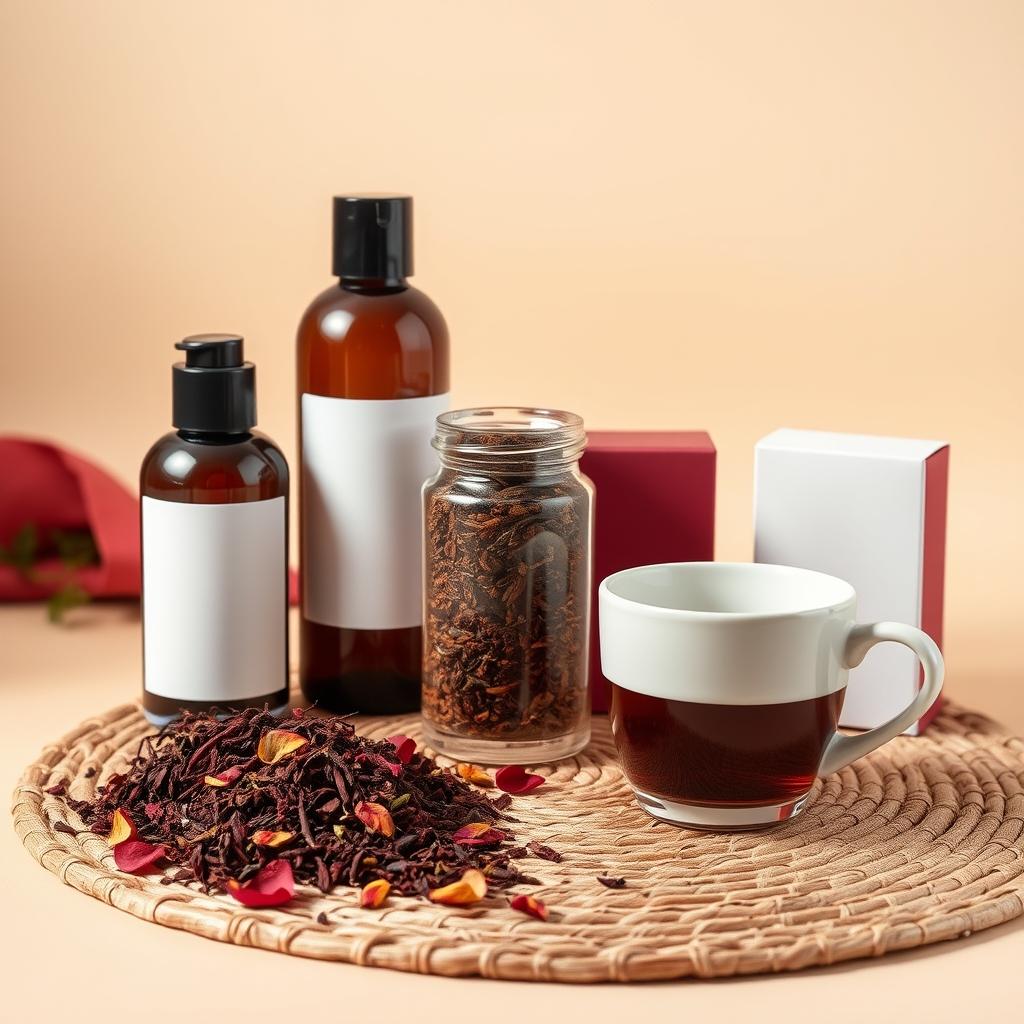
Functional tea, herbal infusions and instant drink sticks are among the easiest ways for a wellness brand to start. Ingredients are familiar, formats are light to ship, and customers already drink tea daily. Still, a good blend needs careful choices about ingredients, taste, packaging and wording. This guide walks through the main decisions.
Why tea works as a first wellness product
Tea carries low perceived risk for shoppers and fits gifting, subscription and repeat-purchase models. A brand can build a small range around moments of the day: morning, after meals, evening. Compared with capsules, a blend also lets you tell a clearer story through flavour and ritual.
Tea also suits several sales channels at once: online stores, cafes, gift shops, hotels and wellness studios. A well-designed pack and a clear taste profile travel across all of them.
That said, the category is crowded, so a distinct positioning matters more than a long ingredient list.
Choosing ingredients for a blend
Typical building blocks include green or black tea, rooibos, chamomile, peppermint, ginger, hibiscus, lemongrass, butterfly pea flower and fruit pieces. Herbal ingredients with traditional use in the region you sell can make a blend feel authentic to local buyers.
- Keep the recipe short and legible; consumers read the list.
- Check that every ingredient is permitted as a food ingredient in your target market.
- Ask for specification sheets on origin, particle size and moisture.
- Balance taste first, then function; a blend nobody finishes will not repeat-sell.
Request a few sample variations with different ratios; small shifts in ginger or peppermint can change a blend completely.
Formats: bags, sachets, sticks and tins
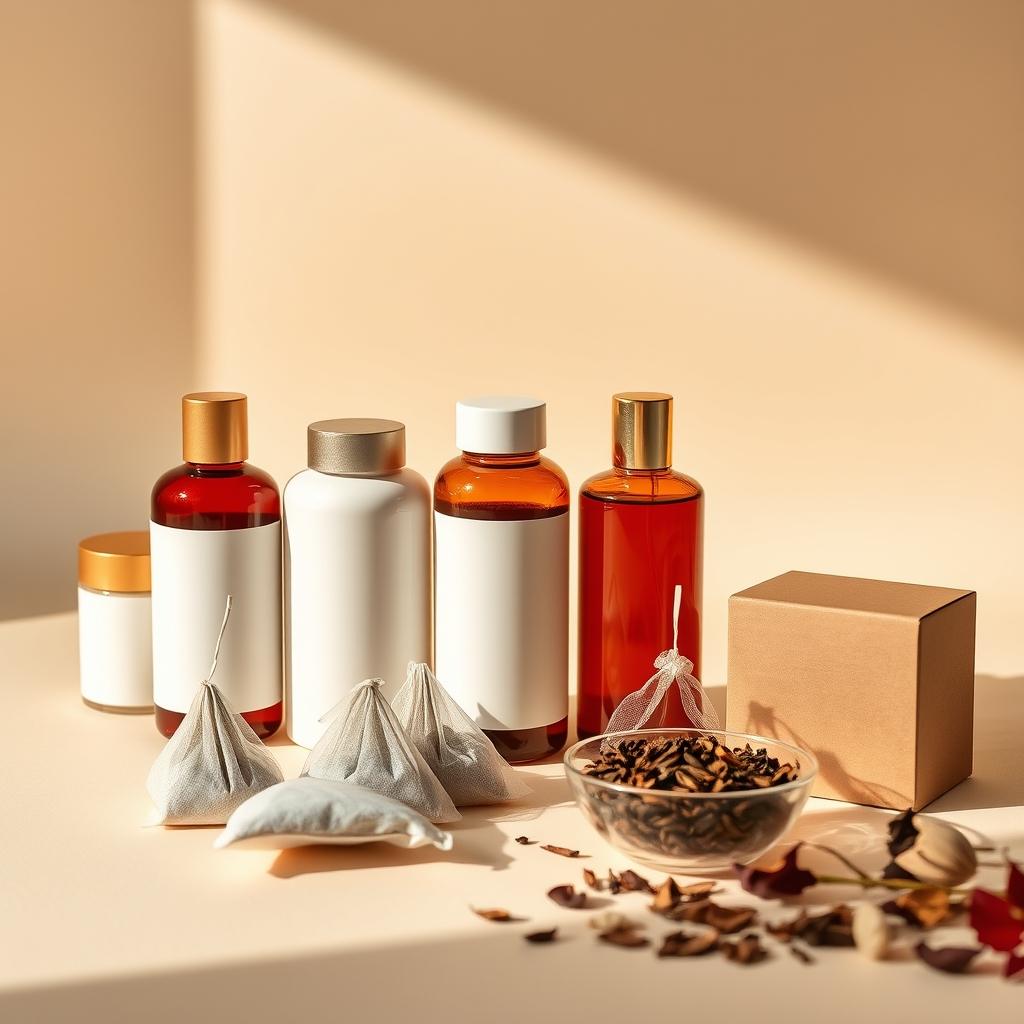
Pyramid and flat tea bags suit cut-leaf blends. Powdered or granulated instant drinks suit stick packs and sachets, which we cover in our guide to sachet and stick pack manufacturing. Loose leaf in tins or pouches fits premium gifting.
The format changes the process, the barrier film you need and what testing is sensible, so choose it early rather than late.
Instant formats also raise a practical question about dissolving and taste: a blend that clumps or leaves residue in cold water disappoints buyers, so ask for sample sachets and test them hot and cold.
Packaging and shelf life
Tea is sensitive to moisture, light and strong smells. Barrier pouches or foil-lined sachets and well-sealed tins protect aroma. Ask your factory which materials suit your blend and how shelf life is generally determined for that product; it depends on the formula and packaging, and the dating on your label should follow the confirmed result.
For a premium look, see our notes on premium packaging finishes.
Label wording and claims
For foods and food supplements, rules on claims are usually strict. Avoid wording that suggests treating, curing or preventing a condition. Descriptions of taste, ingredients and traditional use are generally safer than promises of results. Whether the product is positioned as a food, a beverage or a supplement may change the required label and registration steps.
Confirm classification and wording with the authority or your importer before printing.
Planning your launch
Start with two or three blends rather than ten. Order samples, taste them with real buyers and adjust sweetness and strength. Prepare photography that shows the product, because tea sells on look and ritual. Gift boxes and seasonal editions can follow once the core range repeats; our replenishment planning guide helps with reorder timing. Keep records of which blends sell fastest, because they guide your next development round and your minimum order planning.
How 5FINE can help
5FINE works with certified partner factories to develop and produce herbal and functional drink products, and coordinates packaging and export documents. Tell us your concept via our contact page, or browse our supplements and wellness range.
Do I need a new formula or can I start from a proven blend?
Many brands begin with a proven blend and adjust flavour or packaging. Whether that fits your idea depends on the product, and your quotation will confirm the details.
Is herbal tea treated as a supplement or a food?
It depends on the ingredients, the claims and the country. Confirm classification with the local authority or your importer before finalising the label.
What makes tea packaging different from cosmetics packaging?
Tea needs barrier protection against moisture, light and odours, while cosmetics packaging focuses more on formula compatibility. Your factory can advise on suitable materials.
This article provides general industry information for planning purposes only. It is not a quotation, offer, guarantee or legal/regulatory advice from 5FINE. Actual MOQs, pricing, timelines and regulatory requirements depend on the product and market, and are confirmed only in a formal quotation.