Lip Oil & Lip Care Private Label: Formats and Packaging
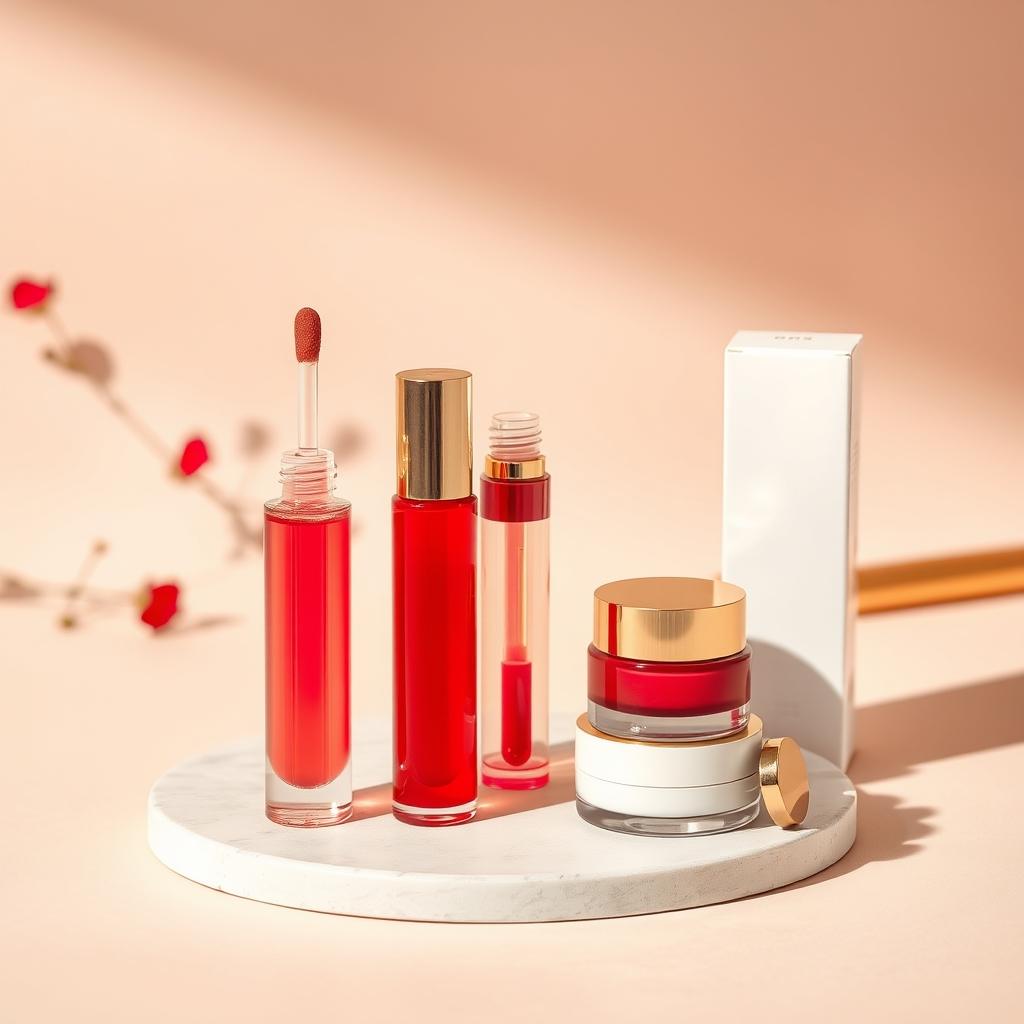
Why lip care keeps attracting new brands
Lip products sit in a useful spot between skincare and colour cosmetics. They are small, easy to try, and simple to gift, which makes them a popular entry point for new brands and a natural add-on for existing skincare lines. Lip oils and tinted treatments in particular have moved from a niche trend to a regular shelf presence in many markets.
For a brand owner, that means customers already understand the category, but also that differentiation matters. Texture, finish and packaging are where most of the difference is made.
Main formats to consider
Most private label lip programmes fall into a handful of formats:
- Lip oil: a lightweight, glossy liquid, usually applied with a doe-foot wand. Often tinted or clear.
- Lip balm stick: a solid, portable format, either clear or lightly tinted.
- Lip mask or sleeping mask: a richer product in a small jar, positioned as an overnight treatment.
- Tinted lip treatment: a hybrid between care and colour, usually with a sheer finish.
- Lip scrub or primer: a supporting product for routine-based sets.
Each format has a different manufacturing process, filling method and packaging requirement, so decide the format before you pick the container.
Texture, finish and fragrance
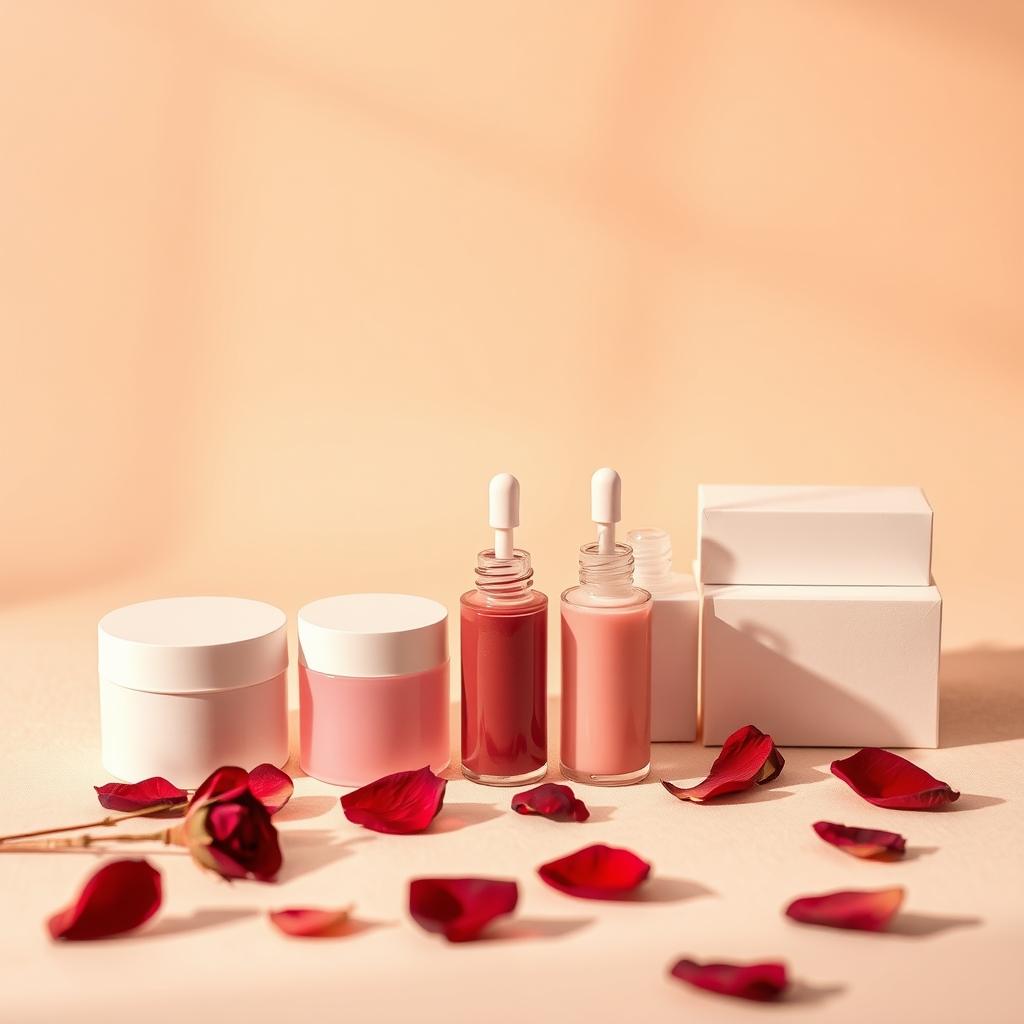
The feel on the lips is what customers remember. A lip oil that is too sticky or too thin can ruin an otherwise good product. When you brief a manufacturer, describe the texture in plain language: cushiony, slippery, light, plump, non-tacky. Mention whether you want a high-shine or a soft satin finish.
Flavour and fragrance deserve care as well. Some markets prefer neutral products, others like subtle fruit or vanilla notes. Because lip products are used close to the mouth, ingredients and fragrance choices should be reviewed with your partner factory and checked against the rules of your target market.
Packaging that fits the format
Packaging for lip care is more technical than it looks. Thin liquids need tight seals and well-fitting wands, balm sticks need sturdy twist mechanisms, and jars need clean, wide openings for scooping. Material choices also affect how the product ages: some plastics can absorb colour or oils over time.
Consider the details customers see and feel: a smooth click on the cap, a clear window to show the shade, a matte or soft-touch finish. Ask your supplier about compatibility testing between the formula and the container before you commit to printing.
Building a small, sellable lip range
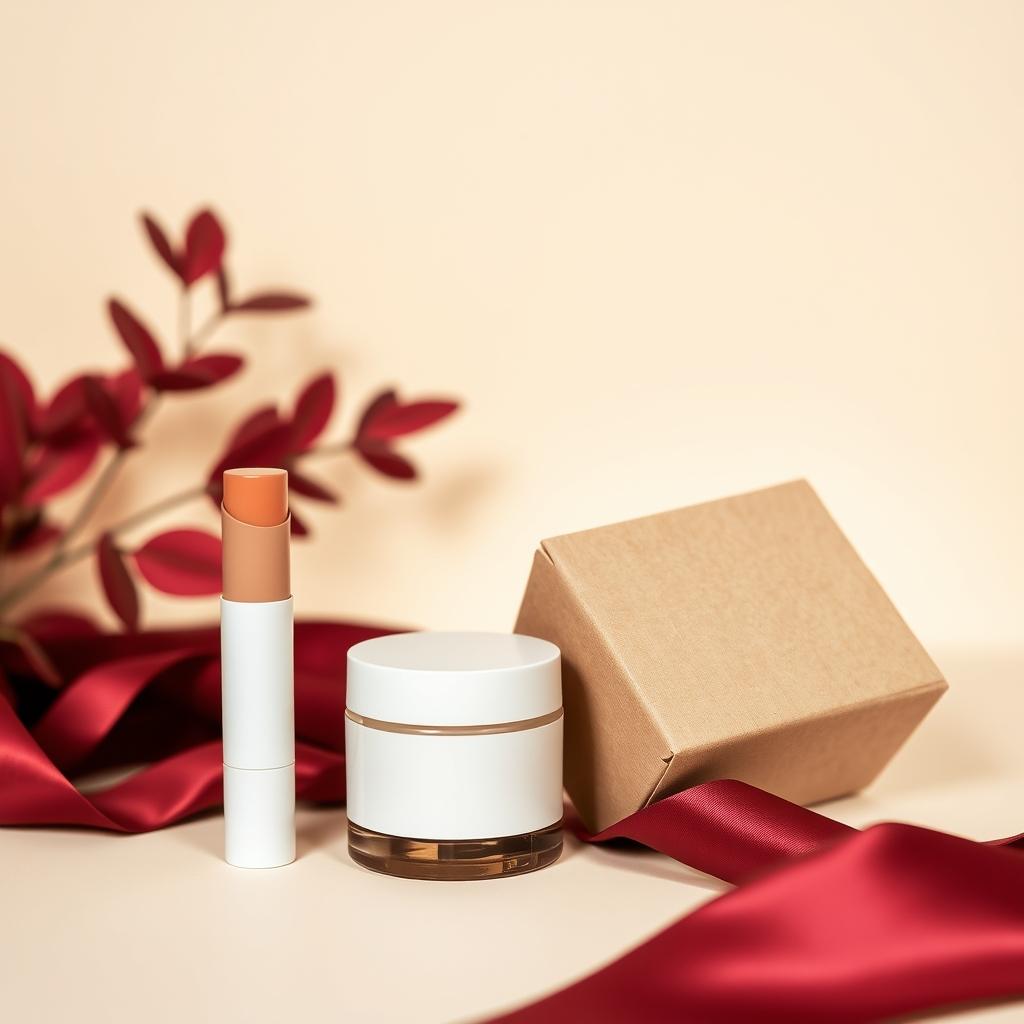
A common approach is to start with one hero product and two or three shades, rather than a long colour range. Sheer, buildable shades tend to suit a wide range of customers, which can simplify stock planning. Once the hero product is established, you can add a mask or a scrub to turn it into a routine.
Think about how the range will be sold. Small, light products work well for gifting sets, travel formats and bundles, but each has its own packaging and carton needs.
Claims and labelling
Keep claims modest and cosmetic: moisturising feel, shine, comfort. Avoid medical language such as treating or healing conditions. Labelling rules differ by country, including ingredient lists and mandatory information, so confirm the requirements with the authority or your importer before printing artwork.
How 5FINE can help
5FINE works with certified partner factories to develop lip oils, balms and treatments and to match them with suitable packaging. Share your idea through our contact page or browse the beauty and cosmetics category.
Can I start with just one lip product?
Yes. Many brands launch with a single hero product and a small number of shades, then expand once they understand demand.
Is lip oil harder to make than lip balm?
They need different processes and packaging. The right choice depends on your brand positioning rather than difficulty.
Do lip products need special packaging?
They need formats that suit their texture, such as a sealed wand tube for liquids or a sturdy twist mechanism for sticks.
This article provides general industry information for planning purposes only. It is not a quotation, offer, guarantee or legal/regulatory advice from 5FINE. Actual MOQs, pricing, timelines and regulatory requirements depend on the product and market, and are confirmed only in a formal quotation.