Microbiome & Postbiotic Skincare: A Private Label Guide
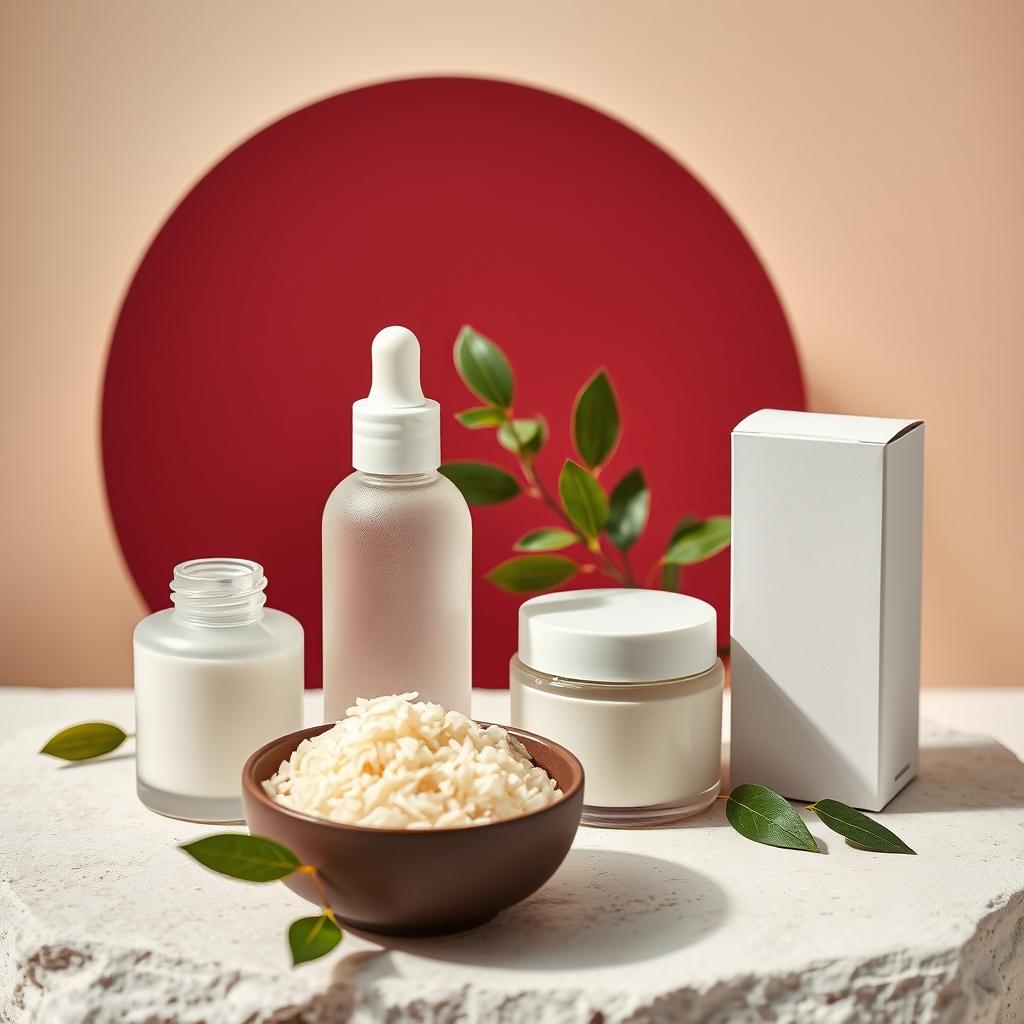
Why microbiome skincare is still growing
The skin microbiome is the community of microorganisms that lives on the skin surface. Over the past few years, brands have moved from talking only about hydration and brightening to talking about barrier balance and skin comfort. Microbiome-friendly products fit that shift, and buyers in Korea, Japan and Southeast Asia increasingly look for them.
For a brand owner, the appeal is practical: the story is easy to explain, it suits sensitive-skin positioning, and it works across cleansers, toners, serums and creams. The challenge is describing it responsibly, because the science is developing and regulators are cautious about what a cosmetic may claim.
Prebiotic, probiotic, postbiotic: what the words mean
These three terms are often mixed up on packaging, so it helps to be precise when you brief a factory.
- Prebiotic ingredients are typically sugars or fibres, such as inulin-type ingredients, intended to feed beneficial microorganisms.
- Probiotic in cosmetics usually means live organisms, which are hard to keep stable in a water-based formula and are rarely used in leave-on products.
- Postbiotic and ferment-based ingredients, such as lysates and ferment filtrates, are non-living and far easier to formulate and preserve.
Most private label microbiome ranges today rely on prebiotics and postbiotic ferments, since they are stable and straightforward to register. If a supplier offers a live-culture cosmetic, ask how stability and preservation have been tested.
Formats and product ideas that suit the trend
Microbiome positioning works best when the whole formula supports it: gentle surfactants, a skin-friendly pH, minimal fragrance and a realistic preservation system. A pretty ingredient story on top of a harsh base will disappoint users.
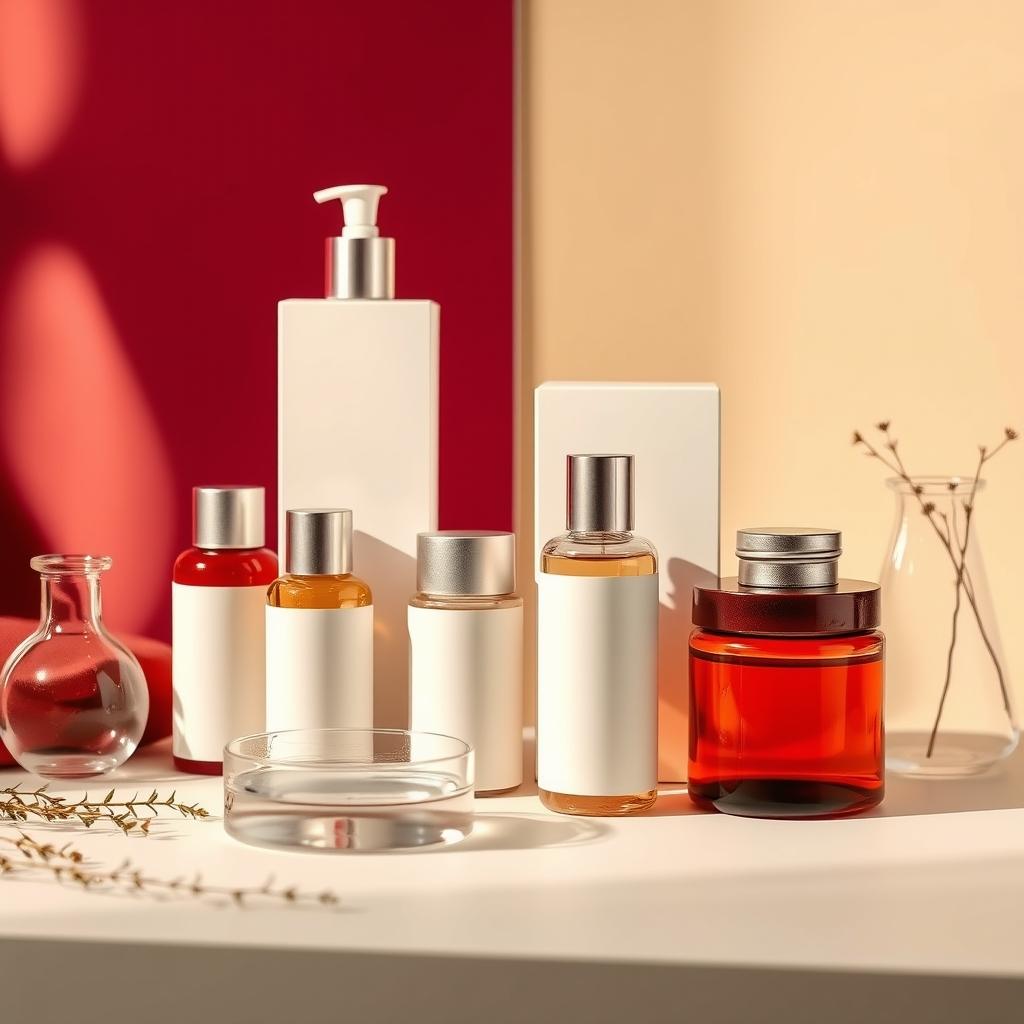
Popular formats include a low-foam gel cleanser, a calming toner or essence, a barrier cream with ceramides and prebiotic complex, and a lightweight serum with ferment filtrate. Many brands launch with two or three hero products rather than a long range, which keeps inventory manageable.
Claims, labelling and testing
Cosmetic claims should stay on the side of cosmetic benefit: soothing the look of dry or sensitive skin, supporting a comfortable skin feel, helping skin feel balanced. Avoid saying a product treats, cures or repairs a medical condition, and avoid claiming it changes the microbiome unless you hold solid evidence.
Regulations differ by market, and the rules for what you can say are generally interpreted by the local authority, so confirm wording with your importer or regulator before printing. Useful supporting tests typically include stability and compatibility testing, preservative efficacy, and dermatological or patch testing when you want to say 'tested on sensitive skin'. What is needed depends on the product and the market.
How to brief a manufacturer
A clear brief saves rounds of sampling. Include the target market, skin type, texture preference, fragrance preference (or fragrance-free), packaging idea and the claims you hope to make. Then ask the factory which of its proven base formulas can be adapted with prebiotic or postbiotic actives, because starting from a tested base is usually the fastest and lowest-risk path.
- Share two or three reference products you like, and what you would change.
- Ask for the full INCI list and which ingredients drive the story.
- Confirm what stability data the factory can provide before you finalise packaging.
How 5FINE can help
5FINE develops and produces skincare with certified partner factories in Thailand, Korea and Japan, and coordinates registration and export documents. If you are planning a barrier-care or microbiome-friendly range, talk to us through our contact page, or browse beauty and cosmetics OEM/ODM for formats and starting points.
Is microbiome skincare safe to claim in every market?
Not always. Wording that is acceptable in one market may be restricted in another, so confirm claims with your importer or the local authority before printing packaging.
Do I need live probiotics in my formula?
Generally no. Most cosmetic ranges use prebiotics or non-living postbiotic ferments because they are more stable and simpler to register.
Can I start from an existing formula?
Yes. Many brands begin with a proven base formula from the factory and adapt actives, texture and fragrance, which is typically faster than a fully custom development.
This article provides general industry information for planning purposes only. It is not a quotation, offer, guarantee or legal/regulatory advice from 5FINE. Actual MOQs, pricing, timelines and regulatory requirements depend on the product and market, and are confirmed only in a formal quotation.