Mono-Material Tubes & Paper Packaging: A Brand Guide
Why packaging materials are back on the agenda
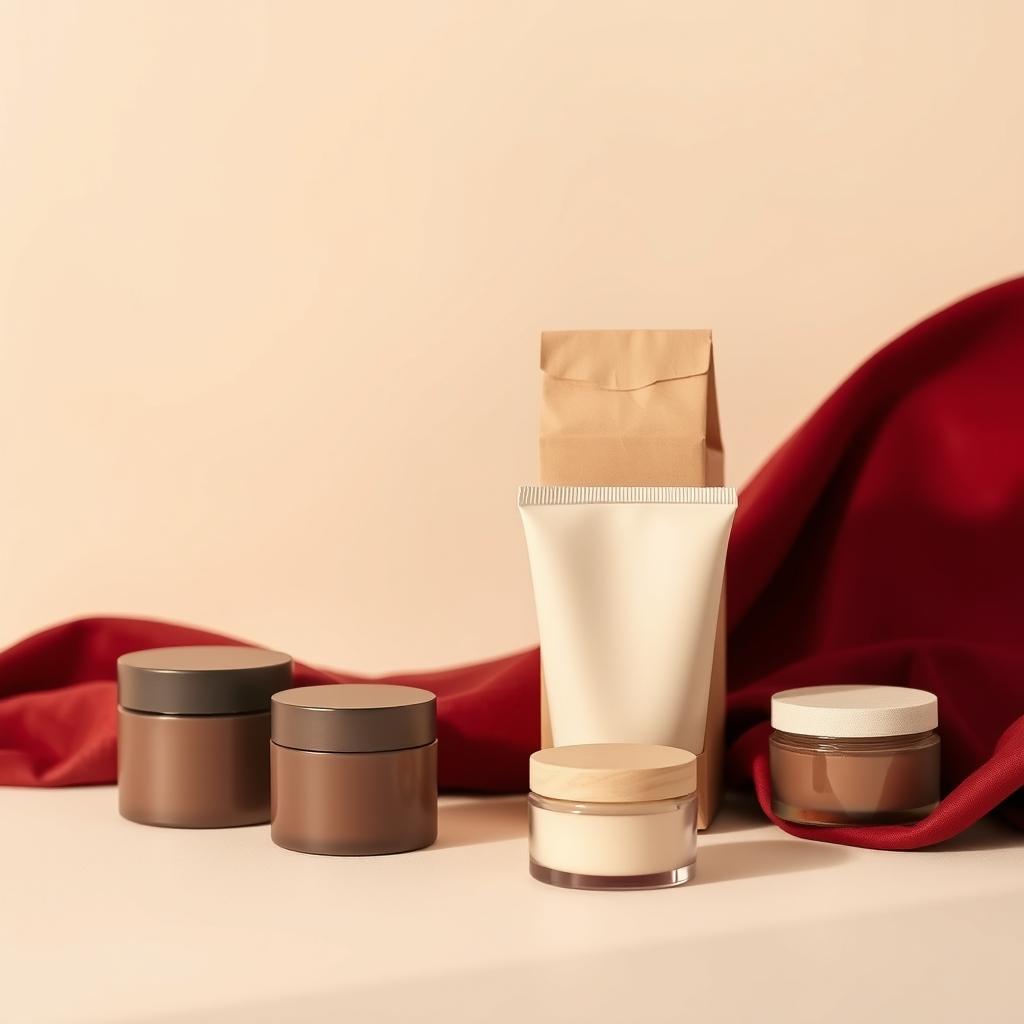
Consumers, retailers and importers are paying more attention to what happens to a pack after use. Brands are asking for fewer mixed materials, lighter packs and secondary cartons made from paper. Alongside refill systems, mono-material tubes and paper-based packaging are two of the options mentioned most often in briefs.
None of these is a quick fix. Each choice interacts with the formula, the production line, the budget and the markets you plan to sell in. A useful way to start is to ask what the package must protect, how it will be used and what you can honestly say about it.
What mono-material means in practice
Many conventional tubes combine several layers, caps and pumps made of different plastics, which makes them hard to recycle. A mono-material tube is designed so the body, shoulder and often the cap are made of the same polymer family, for example polyethylene, which recycling systems in some countries can handle more easily.
Recyclability always depends on local collection and sorting, so avoid broad statements such as "fully recyclable" unless you can support them. Many brands use more cautious wording such as "designed for recycling" and add disposal instructions that suit their market.

Paper-based options and where they fit
Paperboard tubes, moulded pulp trays and fibre-based caps appeal to brands whose identity is natural or minimalist. Cartons are the easiest place to begin, because they sit outside the formula and are widely available with recycled or certified paper.
For the primary pack, paper needs a barrier. Water-based creams, oils and fragranced products can migrate into fibre, so structures usually include a liner or coating. Ask your partner about compatibility testing before committing to artwork. This is the main reason a stability and compatibility check on the final pack is worth doing for any new material.
- Cartons and sleeves: low risk, quick to adopt.
- Paper tubes with liners: good for balms, powders and dry products.
- Pulp or fibre components: attractive for gift sets and secondary packs.
How the formula and decoration change
Thicker creams, active serums and oil-rich balms behave differently in new materials. Some ingredients soften plastics, absorb into paper or react with metallic finishes. A formula that works in a standard glass jar may need small adjustments in a lighter tube, and the pump or orifice may need to match the viscosity.
Decoration also changes. Hot stamping, soft-touch coatings and metallic inks can reduce recyclability or may not adhere to certain surfaces. A simple, well-designed one or two-colour print on natural material often looks premium and is easier to produce. Samples confirm what works before a full run.
Cost, minimums and a practical plan
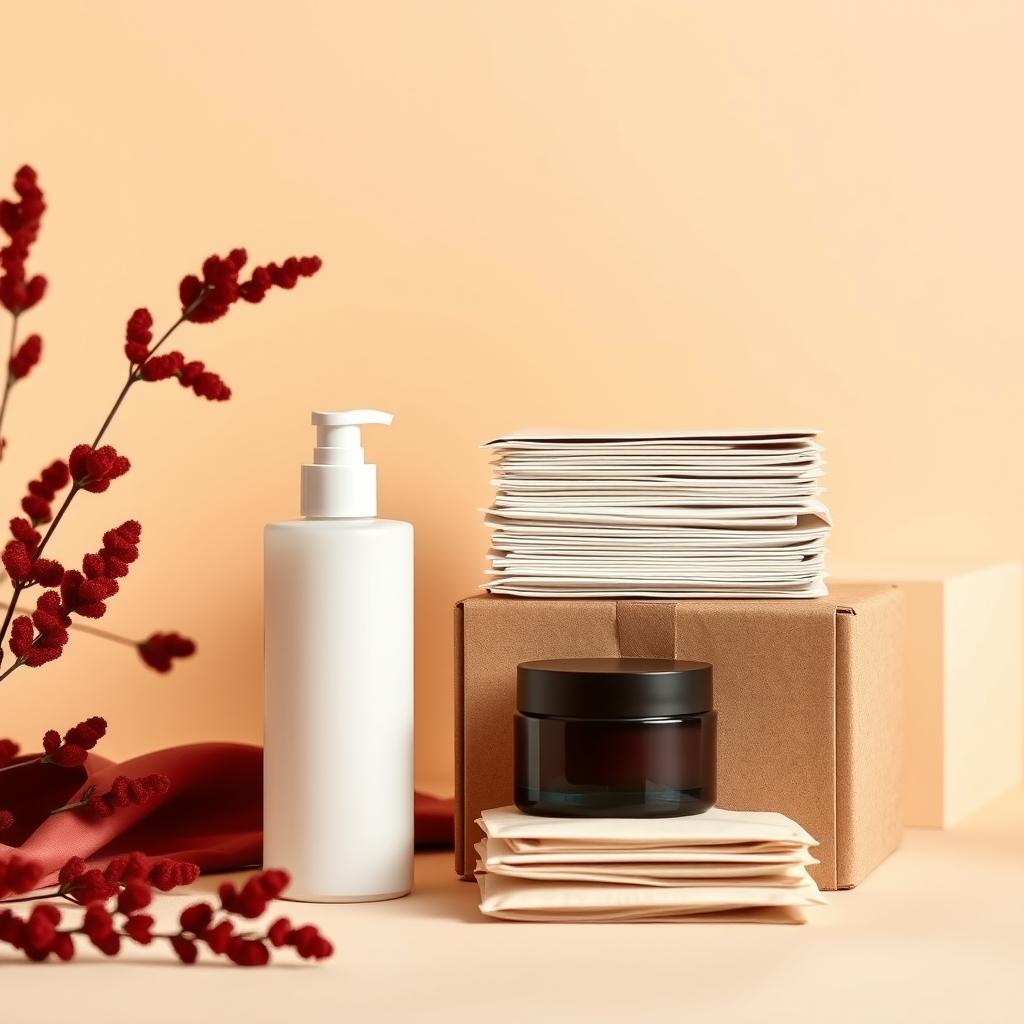
New materials can mean different minimums and tooling, so expect that decisions are confirmed in your quotation. Stock components can lower the starting commitment, while custom shapes raise it. If you are launching a first range, a sensible plan is to choose stock mono-material tubes, a recycled paper carton and a single-colour print, then upgrade once demand is clear.
Test the whole system: drop, squeeze, leakage, transport and shelf-life checks under your own climate conditions. Photograph the packs next to competitors on a real shelf or a marketplace thumbnail. A sustainable pack that looks unconvincing in a small image will not carry your brand.
Questions to ask a packaging supplier
Good questions shorten the project. Ask which materials the tube and cap are made from, whether the supplier can share compatibility data for similar formulas, what decoration options keep the pack recyclable, and what the lead-up steps are for samples and artwork approval.
- Is a sample available so I can test it with my formula?
- Which printing methods work on this surface?
- What documents describe the material and its recyclability claims?
How 5FINE can help
5FINE coordinates formula, packaging and production with certified partner factories, so the material you choose is checked against the product. Browse packaging options or send us your brief, and we will help you choose a practical route for your brand.
Is a mono-material tube always recyclable?
Not automatically. It is designed to be easier to recycle, but real recyclability depends on local collection and sorting, so use careful wording.
Can any cosmetic go into a paper-based pack?
Water-based or oily products usually need a barrier liner or coating. Compatibility testing with the final formula is recommended.
What is the easiest first step toward greener packaging?
Starting with recycled-paper cartons and stock mono-material components usually carries the least risk and keeps the starting commitment manageable.
This article provides general industry information for planning purposes only. It is not a quotation, offer, guarantee or legal/regulatory advice from 5FINE. Actual MOQs, pricing, timelines and regulatory requirements depend on the product and market, and are confirmed only in a formal quotation.