PDRN and Exosome Skincare: What to Know Before You Brief a Formula
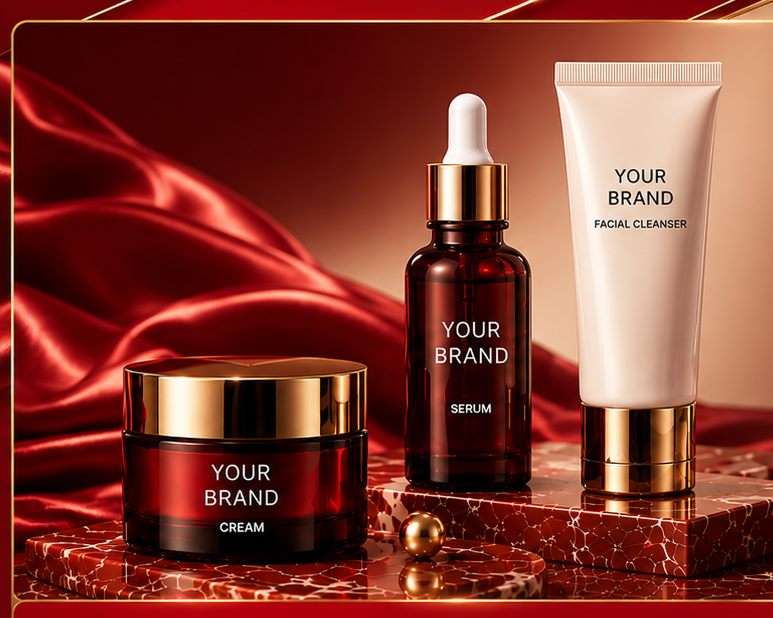
Two words appear in a growing number of skincare briefs in 2026: PDRN and exosomes. Both arrived through Korean dermatology clinics, both now appear in serums, ampoules and sheet masks across Southeast Asia and the Gulf, and both are often misunderstood by brand owners who want "the salmon serum" without knowing what they are buying. This guide explains the ingredients in plain language and lists the decisions to make before you ask for a quotation.
What PDRN actually is
PDRN stands for polydeoxyribonucleotide — DNA fragments most often sourced from salmon. In clinical settings it is used by injection; in cosmetics it is used topically, where it is positioned around skin comfort, hydration and a smoother-looking surface. In a cosmetic, the ingredient is listed by its INCI name and the claims must stay cosmetic: appearance, feel, hydration. Anything that sounds like tissue repair or a medical outcome is a claim regulators in most markets will reject.
What "exosome" means on a cosmetic label
True exosomes are cell-derived vesicles. Many cosmetic products marketed as "exosome" use plant-derived vesicles, fermentation-derived extracts or carrier systems that borrow the vocabulary. This is not necessarily a problem — some of these ingredients come with supplier data on hydration and barrier support — but the claim wording and the INCI name must match what is in the bottle. Ask your manufacturer which ingredient, which supplier and which documentation sits behind the word.
How the category is positioned by market
- Korea and Japan: clinic-adjacent, "post-procedure" and barrier language, premium price points.
- Southeast Asia: glow, glass-skin and brightening positioning, often in affordable ampoule sizes sold through live commerce.
- Gulf markets: premium gifting and luxury skincare, with halal documentation increasingly requested for animal-derived ingredients — a point that matters for salmon-sourced PDRN. Our guide to halal-certified cosmetics manufacturing explains what is usually involved.
For other actives shaping briefs this year, see five K-beauty ingredients defining 2026.
Decisions to make before you brief
- Hero format. Ampoule (30 ml), serum (30–50 ml) or a mask line. Ampoules suit trial sizes and live selling; serums suit repeat purchase.
- Concentration and supporting actives. PDRN is rarely used alone. Common pairings are hyaluronic acid, niacinamide, peptides and centella. The supporting actives often define the texture and the price more than the headline ingredient does.
- Source and documentation. Ask for the ingredient's technical data sheet, origin and, if you sell in halal-sensitive markets, the status of the raw material.
- Claims per market. Decide the markets first, then write the claims; it is far cheaper than redesigning cartons later.
- Stability and packaging. Nucleotide and vesicle ingredients can be sensitive to heat and light. Airless pumps and opaque glass cost more than clear droppers but help protect the formula.
Putting these answers into a written brief saves sampling rounds — our guide on how to write a product brief shows the format.
Common mistakes to avoid
- Putting "exosome" on the front of the pack when the INCI list does not support it.
- Borrowing clinic language such as "regenerates" or "repairs tissue" for a cosmetic.
- Choosing a clear dropper bottle for a light-sensitive formula to save on packaging.
- Forgetting halal documentation for a salmon-derived ingredient when targeting Gulf retail.
Where 5FINE fits
5FINE develops PDRN and exosome-inspired serums with certified partner factories in Korea and Thailand, advises on the ingredient documentation behind the claims, and coordinates notification and export paperwork. Tell us the market and the format through our formula development service or contact our team, and we will outline what the project involves.
FAQ
Is PDRN allowed in cosmetics?
Topical PDRN is used in cosmetics in many markets as a conditioning ingredient. Claims must remain cosmetic; check the specific rules of each market you sell in, as ingredient lists and permitted claims differ.
Are exosome serums really exosomes?
Many are plant-derived vesicles or fermentation extracts marketed with the exosome vocabulary. What matters is that the INCI name, the supplier documentation and the claims line up.
What is a realistic first product?
A 30 ml serum or ampoule pairing PDRN with hyaluronic acid and niacinamide, in an airless or opaque pack, is a common starting point. Minimums and pricing are confirmed in the quotation.
This article provides general industry information for planning purposes only. It is not a quotation, offer, guarantee or legal/regulatory advice from 5FINE. Actual MOQs, pricing, timelines and regulatory requirements depend on the product and market, and are confirmed only in a formal quotation.