Private Label Cleaning Products: Laundry, Dish & Surface OEM
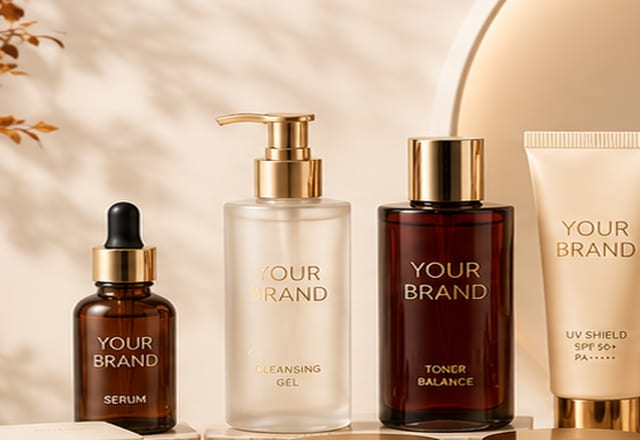
Laundry liquid, dishwashing liquid, surface sprays and hand wash are used up every week, which makes private label cleaning products a strong repeat-purchase category for retailers, distributors, hotels and online brands. The shelf is crowded, though, so success depends on clear positioning and sound formula and packaging choices. This guide explains how OEM cleaning product development works and what to prepare before you brief a manufacturer.
What you can put your brand on
- Laundry: liquid detergent, fabric softener, stain remover, laundry fragrance boosters and capsules.
- Kitchen: dishwashing liquid, degreaser and fruit and vegetable wash.
- Surfaces: multi-purpose spray, glass cleaner, bathroom and floor cleaners.
- Hands and air: hand wash, room spray and fabric refresher.
Most brands start with two or three everyday products, such as laundry liquid, dishwashing liquid and a multi-purpose spray, and expand once the first items sell through.
Positioning decides the formula
- Eco and plant-based: plant-derived surfactants, readily biodegradable ingredients where possible, and refill pouches.
- Fragrance-led: laundry and home care with a signature, fine-fragrance style scent, a popular premium niche.
- Sensitive and family: fragrance-free and dye-free formulas for households with babies or sensitive skin.
- Professional: concentrated formats and larger packs for hotels, spas, restaurants and cleaning companies.
Decide the positioning first. It changes the surfactant system, the fragrance, the packaging and therefore the price.
It also helps to know exactly where the product will be sold. A supermarket shelf rewards a clear front label and a recognisable colour system; an online store relies on strong photos, refill bundles and subscriptions; a hotel or cleaning company cares most about dilution, dispensing and cost per use. Write your channel into the brief so the partner can recommend formats that suit it, rather than adapting a retail bottle later.
Formula decisions to include in your brief
- Concentration: concentrates use less plastic and freight per wash but need clear dosing instructions.
- Performance: what the product must remove (grease, stains, limescale) and on which surfaces or fabrics.
- pH and compatibility: safe for the surfaces, fabrics and machines your customers use.
- Fragrance and colour: scent strength, allergen labelling and whether colour stays stable in clear bottles.
- Viscosity and feel: customers judge dishwashing liquid partly by how thick it pours.
Testing matters as much as the formula itself. Ask how the partner checks cleaning performance, stability at warm storage temperatures, and compatibility between the liquid and the bottle, cap and trigger. Ask for side-by-side samples against a product your customers already use. A clear brief makes this much easier; see how to write a product brief.
Packaging and what drives cost
| Option | What it affects | Cost impact |
|---|---|---|
| Standard vs concentrated formula | Dose, freight, plastic use | Medium / higher per bottle |
| Fragrance load and quality | Scent experience, labelling | Lower to higher |
| Stock bottle vs custom mould | Shelf look, one-time tooling | Lower / higher |
| Trigger, pump or flip cap | Ease of use, leak risk | Medium to higher |
| Label vs shrink sleeve | Design coverage | Lower / medium |
| Refill pouch | Plastic use, eco story | Lower per refill |
On quantities, minimums start low for proven formulas and stock bottles; the MOQ depends on the product and packaging and is confirmed in your quotation. For eco packaging options, read refillable and PCR packaging.
Compliance: labelling, safety data and claims
Cleaning products are generally regulated as chemical mixtures or detergents rather than cosmetics. Typical requirements include:
- Hazard labelling where the formula requires it, for example under CLP rules in the UK and EU.
- A Safety Data Sheet for the finished product and a certificate of analysis from production.
- Ingredient or detergent information on the label in some markets.
- Extra rules for antibacterial or disinfecting claims, which are often regulated separately and may need registration.
Eco claims such as "biodegradable" or "plant-based" usually need evidence. Rules differ by market, so confirm label content with your importer or a regulatory adviser before printing. Our guide to export paperwork by market shows the kind of documents to plan for.
How the process works with an OEM partner
- Brief: products, positioning, target market, channel and benchmark products.
- Formula samples and performance comparison.
- Packaging selection, plus leak and compatibility testing with the actual formula.
- Label information and artwork for each market.
- Production, quality control and shipping documents.
Timelines depend on the product, packaging and registration; your schedule is confirmed in the quotation.
Common mistakes to avoid
- Skipping leak tests on trigger sprays and pumps with the real formula.
- Making antibacterial claims without checking the rules for that market.
- Launching many SKUs before the first products prove demand.
- Forgetting freight: liquids are heavy, so concentrates and refills can make a real difference.
5FINE supports private label laundry, dishwashing, surface and air-care products with certified partner factories, including formula selection, packaging and export documentation support. Explore our home care range or contact our team with your product list and market.
FAQ
Can I make an eco or plant-based claim?
Yes, if the formula and packaging support it and you can show evidence. Many markets regulate environmental claims, so check the wording with your importer.
What is the minimum order for private label cleaning products?
Minimums start low for proven formulas and stock bottles. The MOQ depends on the product and packaging and is confirmed in your quotation.
Can I sell antibacterial or disinfectant products?
Disinfecting claims are often regulated separately and may need extra registration. Confirm the requirements in each market before planning the claim.
Do you offer larger packs for hotels and professionals?
Professional sizes and concentrates can be developed. Share your users, dilution needs and dispensing system in your brief.
This article provides general industry information for planning purposes only. It is not a quotation, offer, guarantee or legal/regulatory advice from 5FINE. Actual MOQs, pricing, timelines and regulatory requirements depend on the product and market, and are confirmed only in a formal quotation.