Supplements in the GLP-1 Era: Fiber, Protein & Electrolyte Formats
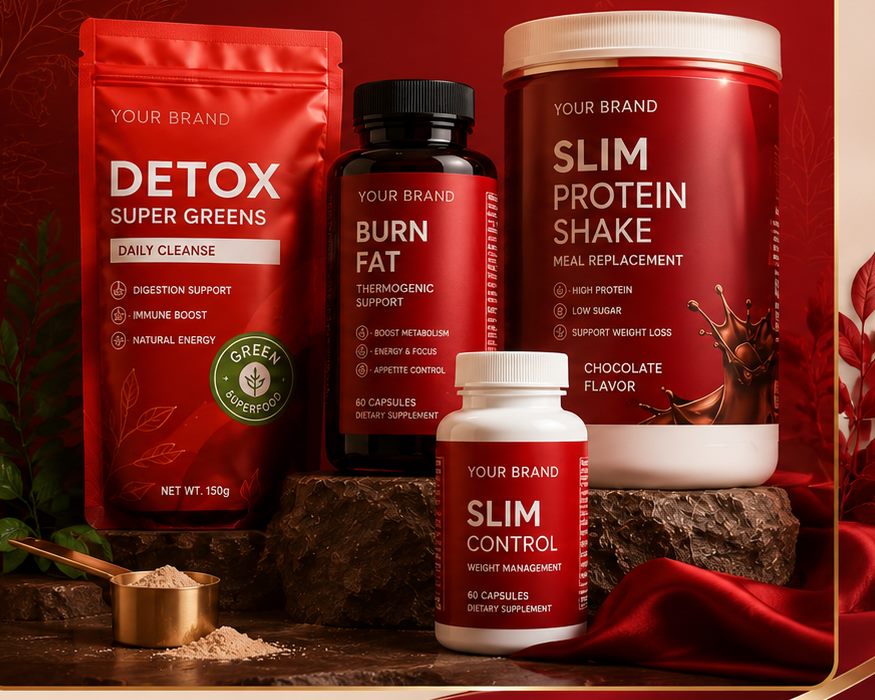
GLP-1 medications have made appetite, protein intake and hydration everyday topics of conversation. Many consumers — whether or not they use these medications — are now looking for convenient nutrition formats: smaller protein servings, daily fiber, sugar-free hydration and digestive comfort. For a supplement brand owner this is a clear format opportunity, but it sits close to medicine, so positioning and claims need extra care.
What customers are looking for
- Protein in smaller servings. Compact sachets, ready-to-mix shots and protein coffee instead of large scoops.
- Fiber as a daily ritual. Psyllium, inulin, partially hydrolysed guar gum and acacia in sachets or gummies, positioned around daily fiber intake.
- Electrolytes without sugar. Sodium, potassium and magnesium stick packs, often lightly flavoured with no added sugar.
- Digestive comfort. Probiotics, digestive enzymes and ginger-based blends.
- Beauty and active-lifestyle support. Collagen peptides and protein blends in beauty-led packaging.
The common thread is convenience and nutrition: small, easy, repeatable formats that fit into a daily routine.
Formats that fit a first launch
Stick packs and sachets are the natural format: single-serve, easy to carry, easy to sample. They involve printed foil, so the artwork needs to be final before the quotation is final — our guide to sachet and stick pack manufacturing covers the details. Gummies work for fiber and electrolytes aimed at a younger audience, though they need more flavour and texture development. Capsules remain the simplest route for probiotics, enzymes and magnesium.
| Format | Suits | What drives cost and minimums |
|---|---|---|
| Stick pack / sachet | Protein, fiber, electrolytes | Printed foil runs, carton, flavour system |
| Gummies | Fiber, electrolytes, vitamins | Moulds, flavour development, moisture protection |
| Capsules | Probiotics, enzymes, magnesium | Bottle and label minimums; usually the simplest start |
Claims: the line you cannot cross
This category attracts regulators because it sits next to medication. Supplements generally cannot claim to cause weight loss, suppress appetite, treat medication side effects or replace a prescription. Permitted language is about nutrition — for example that a product is a source of fiber or protein, or supports normal hydration — and the exact approved wording differs by market. Build the label from the permitted claims in each market, not from the social media conversation, and confirm the final wording with the authority or your importer.
Positioning without medical language
| Avoid | Safer direction |
|---|---|
| "GLP-1 companion" or naming a medication on pack | Describe the nutrition: protein, fiber, electrolytes |
| "Burns fat", "slimming", "curbs appetite" | Daily nutrition and convenience |
| "Relieves side effects" | Ingredient-led descriptions, e.g. "with ginger" or "with probiotics" |
| Before-and-after body images | Lifestyle and routine imagery |
Marketing copy, influencer scripts and marketplace listings count as claims too, so apply the same rules everywhere.
A practical product line
Many brands launch three products together: a protein-and-fiber sachet for the morning, an electrolyte stick for the day and a digestive capsule for the evening. One brand voice, three repeat-purchase items, one registration project. Starting with proven base formulas keeps development simple; you can add your own flavour, branding and pack design, then move to semi-custom formulas once the line has traction.
Registration and documents
In Thailand, supplements are regulated as food, so registration involves nutrition analysis and specifications for each active ingredient, and label wording is reviewed closely — see Thai FDA registration explained. For export, typical documents include a certificate of analysis, a free sale certificate and the GMP certificate of the producing facility. If you are considering a probiotic within the line, read our guide to private label probiotics first, because live cultures bring extra stability questions. Timelines depend on the product, packaging and registration, and your schedule is confirmed in the quotation.
How 5FINE can help
5FINE develops supplement lines in these formats with GMP-certified partner factories in Thailand and coordinates registration paperwork and nutrition analysis as part of the project. See our supplement categories or send us your concept and target market, and we will outline the formats and documentation involved.
FAQ
Can a supplement be marketed to people using GLP-1 medication?
The product can be positioned around protein, fiber and hydration, but it should not claim to treat side effects, interact with medication or cause weight loss. Keep claims nutritional and check the rules in each market.
Can I mention GLP-1 on the label?
Generally it is safer not to. Naming a medication can imply a medical purpose; describe the nutrition instead and confirm wording with your importer or the authority.
Which format is simplest to start with?
Capsules in a stock bottle usually involve the fewest one-time costs. Sachets add printed foil, and gummies add moulds and flavour development.
How is a supplement registered in Thailand?
As a food product, with nutrition analysis and specifications for each active. Registration is typically coordinated by the licensed manufacturing partner as part of the project.
This article provides general industry information for planning purposes only. It is not a quotation, offer, guarantee or legal/regulatory advice from 5FINE. Actual MOQs, pricing, timelines and regulatory requirements depend on the product and market, and are confirmed only in a formal quotation.