Waterless Beauty: Solid Bars as a Private Label Format
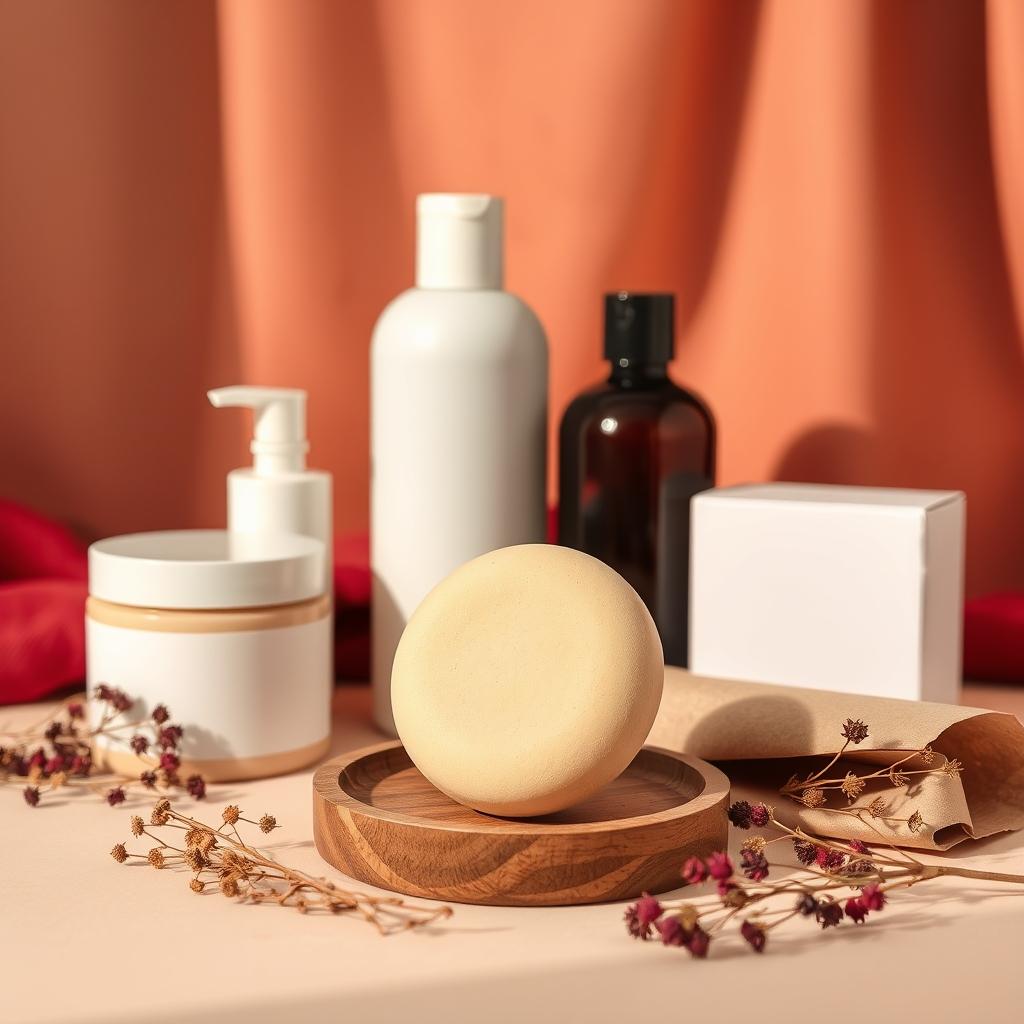
What 'waterless' means for a beauty brand
Waterless beauty covers products formulated without added water, or concentrated enough that the consumer adds water at use. Solid shampoo bars, conditioner bars, cleansing bars, balms, powders and tablets are common examples.
The appeal is easy to explain: lighter shipping weight, less plastic, longer-feeling products and a tidy travel story. Brands that already speak about sustainability often find a bar format natural to add.
Why brand owners are looking at solid formats
Consumer interest in lower-waste routines keeps solid formats visible, especially in hair care and body care. For a young brand, the format also offers a clear point of difference in marketplaces crowded with liquid bottles.
There is a practical side as well. Concentrated products can reduce freight volume, and compact packaging fits well into gift sets, discovery sets and subscription-style bundles.
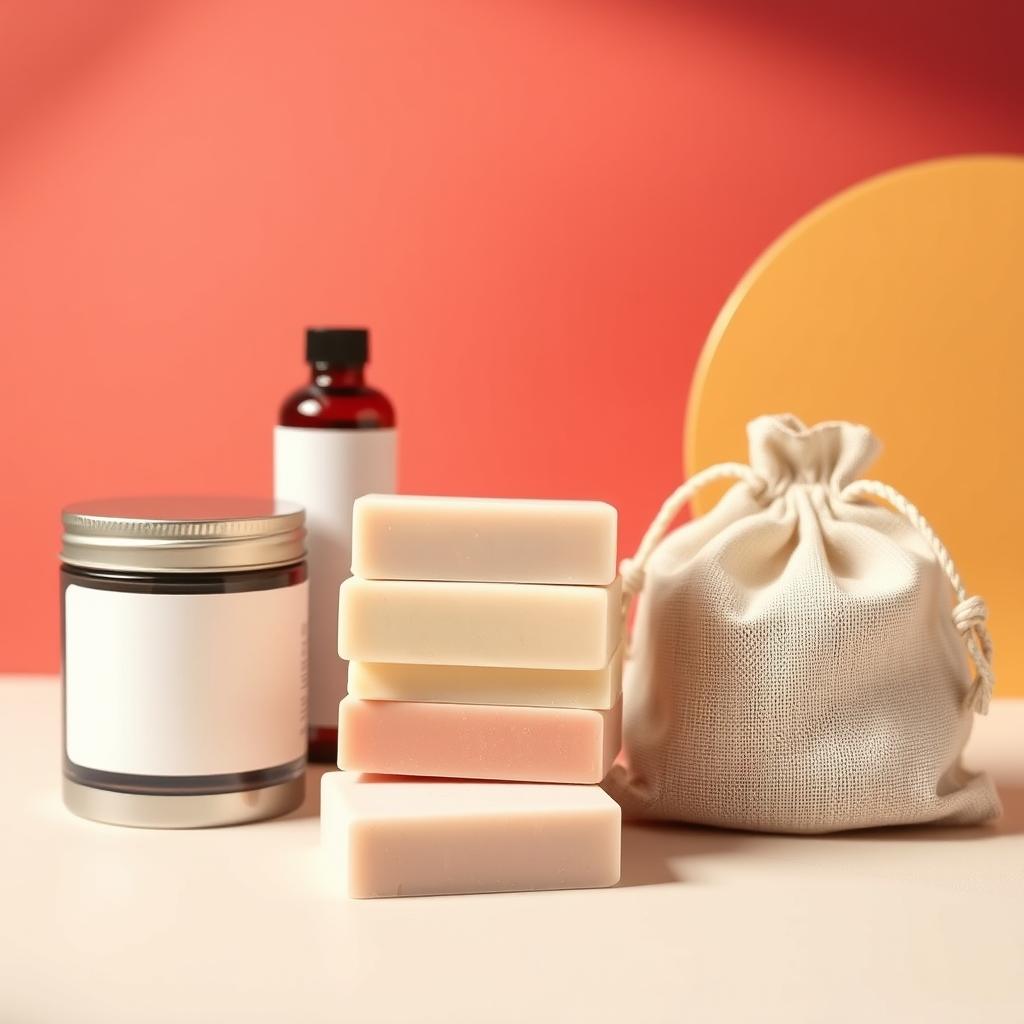
Product types that suit the format
- Shampoo and conditioner bars: the best-known category, with formulas that can be tuned for oily, dry or scalp-care positioning.
- Face and body cleansing bars: gentle syndet-style or soap-based options, depending on the skin feel you want.
- Balm and butter bars: body, lip and massage formats that travel well.
- Powders and tablets: cleansers or masks activated with water.
Choose a format that matches the way your customers actually wash. A bar that needs a long lather routine may suit some markets better than others, so think about water hardness, climate and habits in your target country.
Formulation points to discuss with your manufacturer
Bars face their own technical questions. How hard should the bar be? How does it behave in a humid bathroom? Does it stay firm, and does it dissolve too fast? Texture, lather and rinse feel all need testing.
Fragrance level, colour and the pH profile matter as well, particularly for hair and facial use. Ask your manufacturer to explain the base type, how it was chosen for your skin or hair goal, and what stability checks apply.
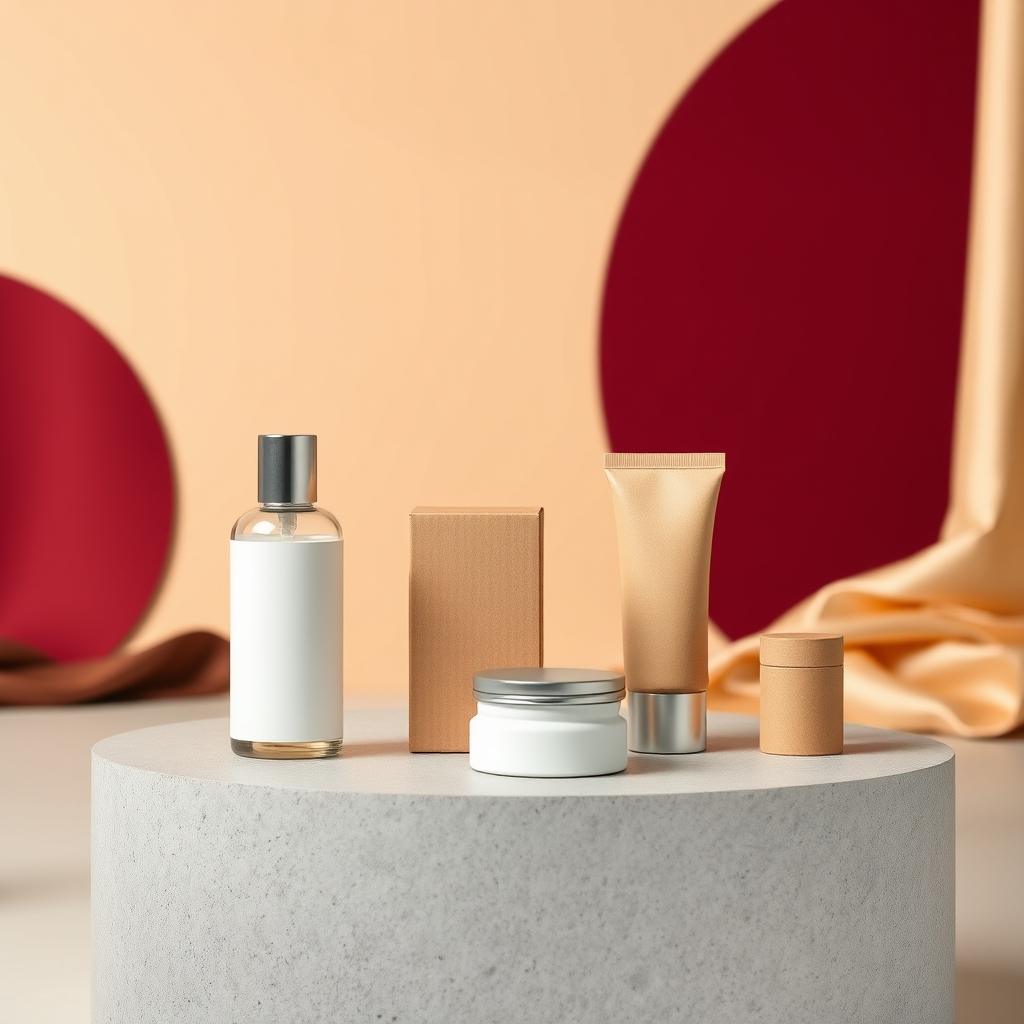
Packaging and shipping a solid product
Paper-based packaging is a natural fit: a paperboard carton, a kraft sleeve or a tin that can be reused. Because bars are exposed to moisture, check how the pack protects the product during transport and in storage.
If you sell across humid regions, test the product in conditions close to real use. Packaging minimums depend on the pack and decoration, and stock options can lower the entry cost for a first run. Our stock vs custom packaging guide covers the trade-offs.
Claims and labelling
Sustainability words need care. Terms such as 'plastic-free', 'eco' or 'zero waste' may require proof, and some markets are strict about environmental claims. Describe what is factually true about your pack and avoid broad promises.
Ingredient labelling still follows the usual cosmetic rules in your destination market. Review our INCI labelling checklist before artwork is final.
How 5FINE can help: we develop and produce with certified partner factories and can walk you through formula, packaging and documents step by step. Contact us to share your brief, or browse our beauty and cosmetics hub.
Are solid shampoo bars good for every hair type?
They can be formulated for different needs, but suitability depends on the formula and the customer's water and routine, so testing is important.
Can I call my bar 'plastic-free'?
Only if it is accurate for the whole pack and you can support it. Confirm environmental claim rules with your importer or authority.
Is a bar cheaper to ship than a bottle?
Concentrated formats are often lighter and more compact, but actual freight depends on volume, packaging and destination.
This article provides general industry information for planning purposes only. It is not a quotation, offer, guarantee or legal/regulatory advice from 5FINE. Actual MOQs, pricing, timelines and regulatory requirements depend on the product and market, and are confirmed only in a formal quotation.