Cosmetics OEM & ODM Market 2026: What It Means for New Brands
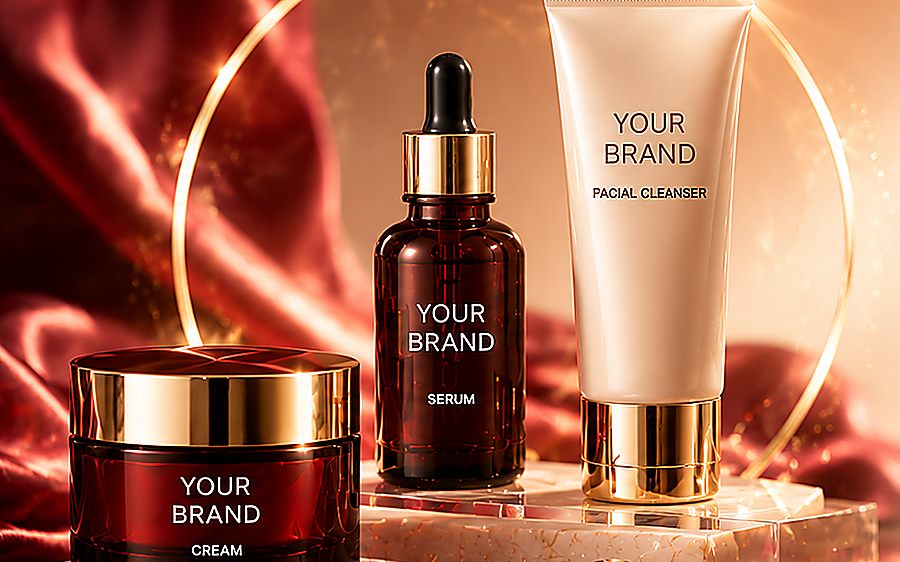
Behind many beauty brands you know sits a contract manufacturer. Outsourcing formulation and production has become the normal way to launch, from creator brands to clinic labels and regional distributors. Rather than repeat headline market-size figures, this article looks at the forces shaping the cosmetics OEM and ODM market in 2026 and what they mean in practice if you are planning a launch.
OEM, ODM and private label in brief
- OEM: the manufacturer produces your own formula and specification.
- ODM: the manufacturer brings a developed formula and adapts it to your brief, often the quickest route for new brands.
- Private label: a ready formula with your brand, packaging and positioning.
For a fuller comparison, read OEM vs ODM vs private label.
Forces shaping the market
- Indie and creator brands: social commerce and live selling let small brands reach large audiences without traditional retail, and nearly all of them outsource manufacturing.
- Faster trend cycles: ingredients and textures can become popular quickly online, so brands look for partners with ready ODM bases they can adapt.
- More flexible minimums: many manufacturers now offer lower entry quantities for proven formulas and stock packaging, which lowers the barrier for first launches.
- Beauty meets wellness: collagen drinks, gummies and other ingestible beauty products blur the line between cosmetics and supplements, and brands want one partner for both.
- Compliance as a service: GMP, ISO 22716, Halal and export documents are hard to build in-house, so brands rely on partners who already work with them.
- Packaging responsibility: refillable formats, recycled content and lighter packs are increasingly part of buyer and retailer conversations.
Categories brand owners are exploring
Based on the briefs we see and wider trend coverage, these categories attract strong interest in 2026:
- Skincare built around a clear active story, from niacinamide and peptides to newer ingredients such as PDRN; see PDRN and exosome skincare.
- Daily sun care with lighter, more wearable textures.
- Scalp care and haircare that borrows ideas from skincare.
- Body care, body mists and gift sets.
- Ingestible beauty such as collagen, gummies and functional drinks.
Interest is not the same as demand in your market, so validate any category with your own audience before investing.
The regional picture
Asia remains a major production base. Korea is known for formula innovation, Taiwan for precision and specialty products, China for scale and packaging depth, and Thailand for herbal actives, Halal capability and coverage of both cosmetics and supplements. Each suits different projects; compare them in where to manufacture cosmetics.
On the demand side, Southeast Asia is shaped by marketplaces and live selling, the Gulf by Halal expectations and a strong fragrance culture, and Europe and the US by detailed safety and notification rules. Your sales market should shape your formula and documents from day one.
A practical consequence is that many brands now plan for more than one market from the start, for example launching at home and then expanding to a neighbouring country or the Gulf. Choosing ingredients, label layouts and certifications that work across those markets avoids reformulating or relabelling later.
What this means for founders
- Start focused: one hero product with a clear story is easier to launch and market than a large range. Our guide to skincare line architecture shows how to plan the steps after it.
- Invest where you add value: brand, content and community, while the partner handles formulation, production and documentation.
- Plan compliance early: registration, label review and claims checks belong in your plan before artwork, not after.
- Choose a partner who can grow with you: from one SKU to a full line, and from local sales to export.
How to read market reports wisely
Market research headlines are useful context, but they are not a business plan. Check who produced the figure, how the market is defined and which years it covers. Then validate with your own signals: pre-orders, small test launches, marketplace search interest and feedback from distributors in your target country.
Global figures also hide large differences between countries, channels and price levels. A category that is growing worldwide can still be crowded in your marketplace, while a niche that looks small in a report can be very attractive for a brand with the right community. Use reports to choose which questions to ask, and use your own customer data to answer them. Be cautious with any source, supplier or adviser that promises specific sales or profit results from a trend.
Checklist before you contact a manufacturer
- Target customer, sales channel and markets.
- Hero product, key ingredients and the claim you want to make.
- Packaging direction and retail price position.
- Certifications your buyers or retailers expect.
- Launch window, keeping in mind that timelines depend on the product, packaging and registration.
5FINE is an OEM/ODM and private label partner for cosmetics and supplements, working with certified partner factories in Thailand, Korea, Japan and Dubai. Start your brand with us or contact our team to discuss your first product.
FAQ
What is the cosmetics OEM/ODM market?
It is the market for companies that formulate and produce cosmetics for other brands, from fully custom formulas (OEM) to adapted ready formulas (ODM) and private label.
Is 2026 a good time to start a beauty brand?
Entry barriers are lower than in the past thanks to ODM formulas and flexible minimums, but competition is strong. A focused product, a clear audience and solid compliance matter more than timing.
Should my first launch be OEM or ODM?
Most first launches start with ODM or private label because the formula is already developed. OEM suits brands with a specific formula or a strong technical story.
Do I need my own factory?
No. Most brands work with certified manufacturing partners and focus their own resources on brand building, marketing and sales.
This article provides general industry information for planning purposes only. It is not a quotation, offer, guarantee or legal/regulatory advice from 5FINE. Actual MOQs, pricing, timelines and regulatory requirements depend on the product and market, and are confirmed only in a formal quotation.